Water Damage Restoration Kearny, NJ
A flooded basement, a frozen pipe that split in the wall or sewage up through the floor drain: the restoration team in Kearny extracts the water, dries the structure to the IICRC S500 standard and documents it for the claim.
(888) 471-9821Basement taking water? Get the pumps rolling IICRC S500 drying
Water damage restoration services in Kearny
Water and sewage only, from the first pump-out to the last moisture reading, with each loss handled by its source, its category and the materials it soaked.
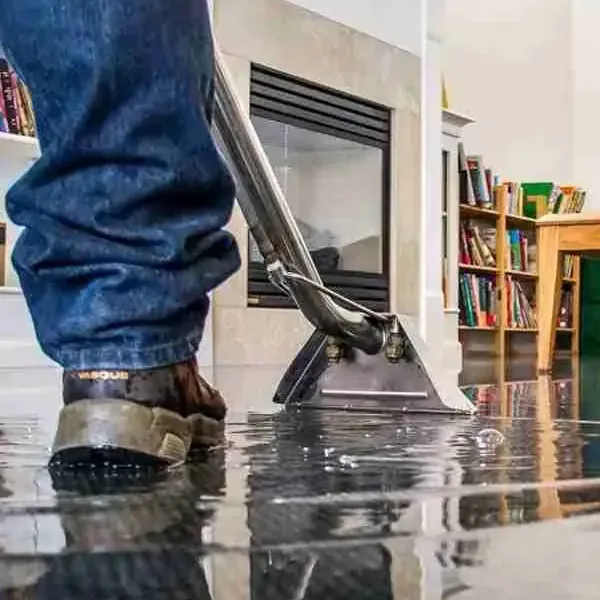 01Water Extraction and RemovalTruck-mounted and portable units pull standing water out of carpet, pad and basement floors.Open
 02Burst Pipe Water DamageA split supply line or failed fitting shut down, the cavity opened and dried.Open
 03Frozen Pipe Water DamagePipes that freeze in exterior walls and cold corners dried out after the thaw.Open
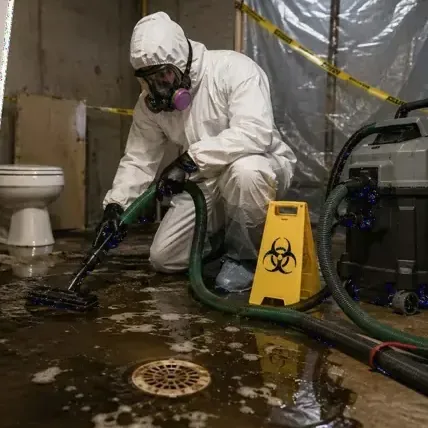 04Sewage Backup CleanupFloor drain and toilet backflow treated as Category 3 from the first minute on site.Open
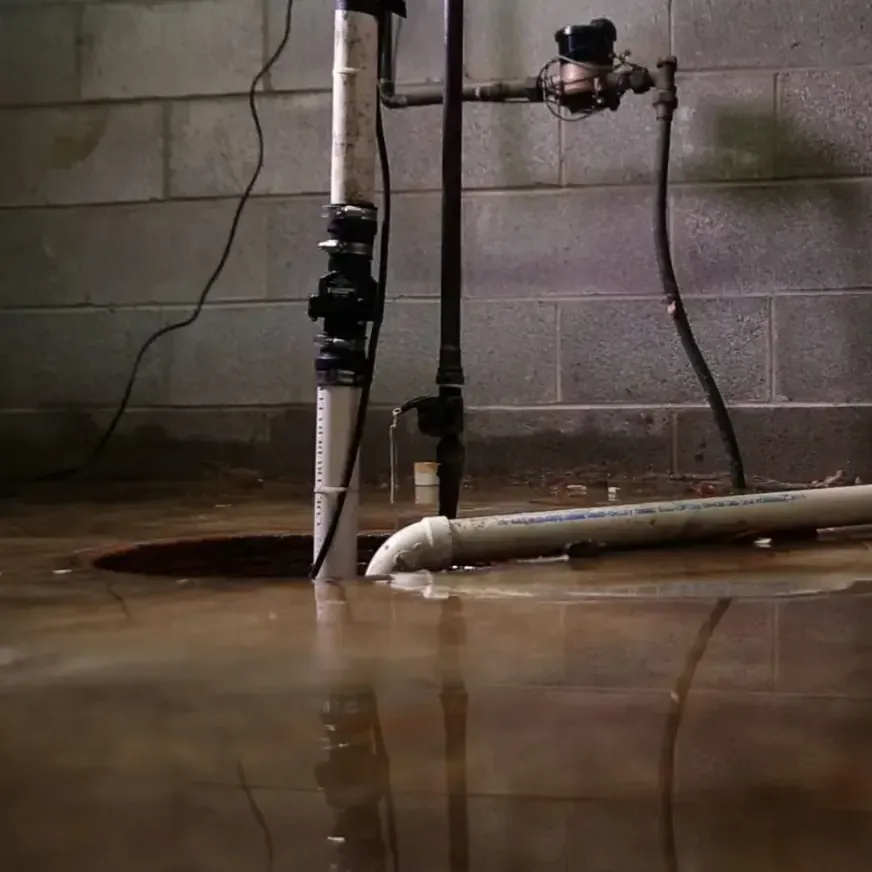 05Basement Flooding CleanupWater through walls, window wells and floor cracks pumped out and the basement dried.Open
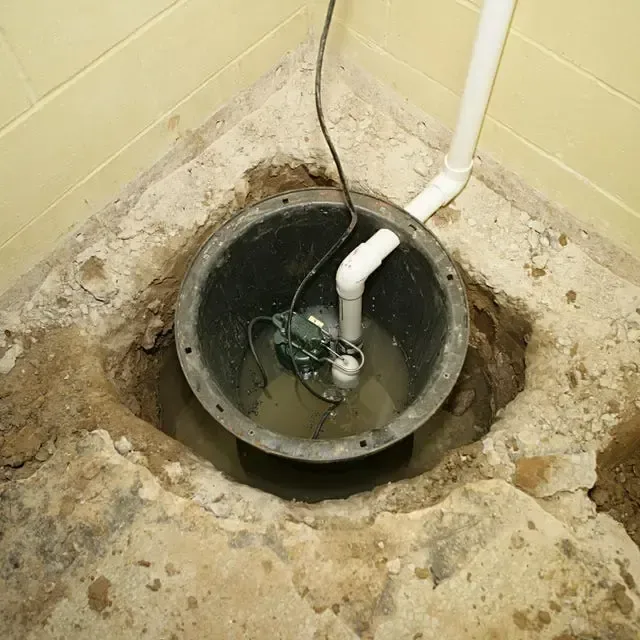 06Sump Pump Failure CleanupA dead or overwhelmed sump pump's overflow extracted and finished rooms dried.Open
 07Storm and River Flood CleanupRiver, surge and street runoff removed as contaminated water and the structure dried.Open
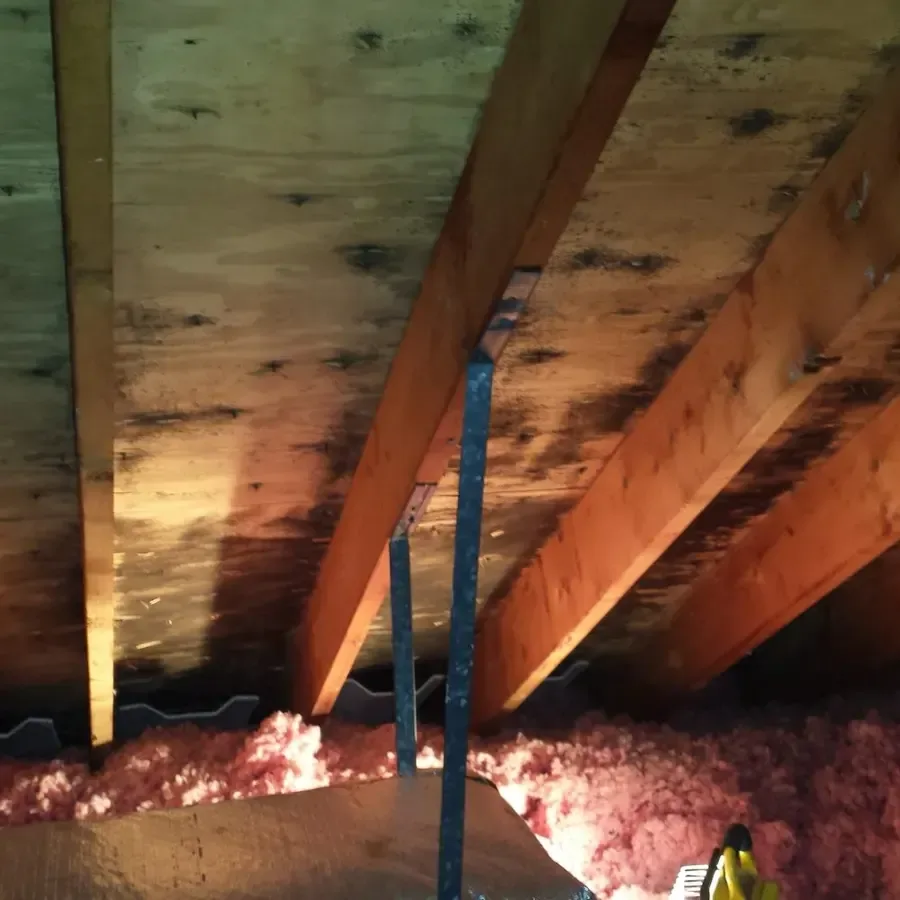 08Roof Leak Water DamageFlat roof, flashing and chimney leaks traced and the attic and ceilings dried.Open
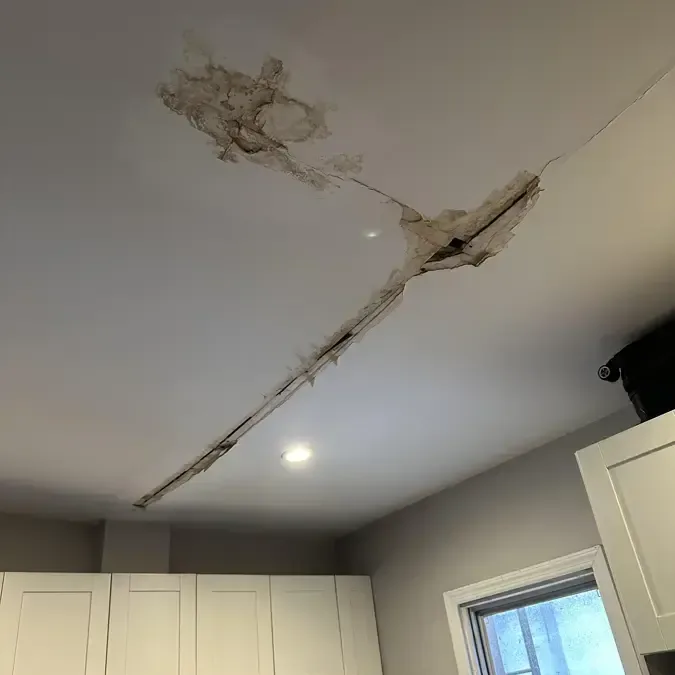 09Ceiling Leak Water DamageAn upstairs bath or unit leak traced, plaster opened safely and joist bays dried.Open
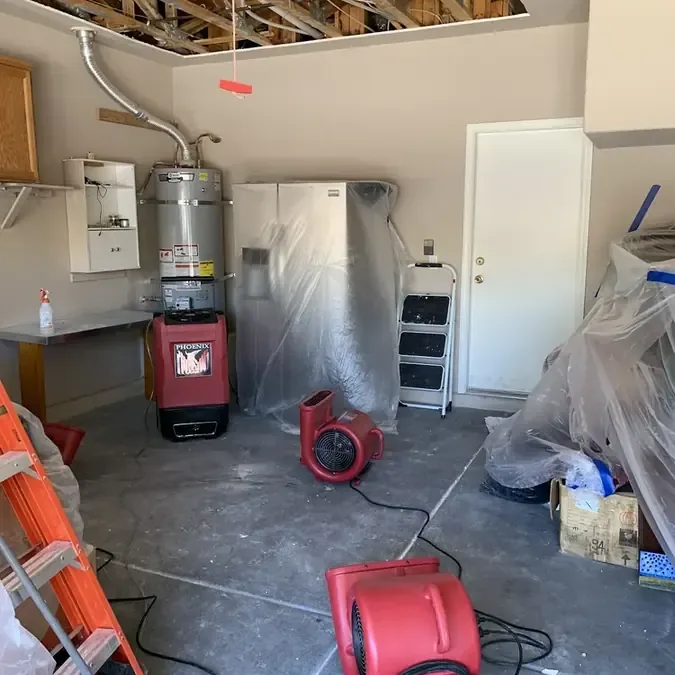 10Water Heater Leak CleanupA failed basement tank's water extracted before stored contents and framing soak.Open
 11Appliance and Supply Line LeaksWasher hoses, dishwashers and ice maker lines that let go, dried out fast.Open
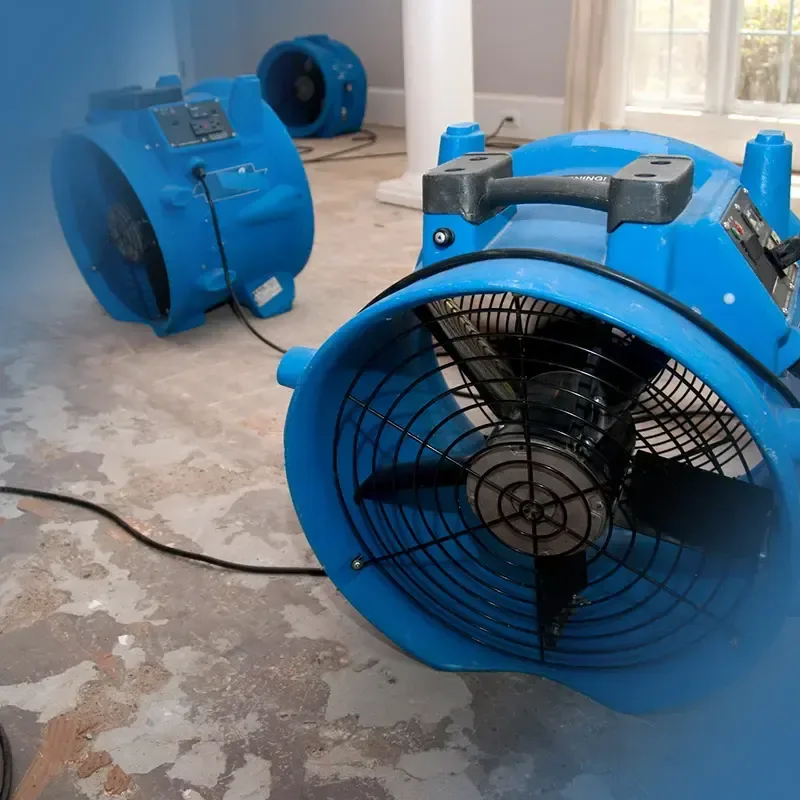 12Structural Drying and DehumidificationFraming, subfloor, plaster and masonry dried to a verified dry reference.Open
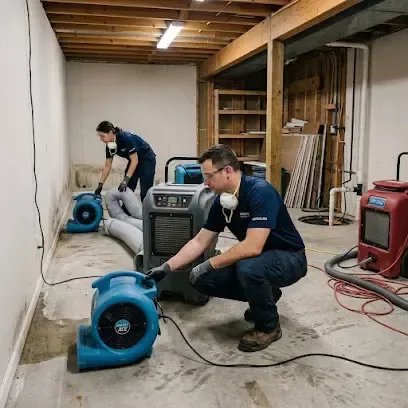 13Commercial Water DamageShops, offices and warehouses dried in phases so the doors stay open.Open
What a Kearny dry-out is built on
Old houses hide water in plaster, balloon framing and stone or block foundations, so every job starts with a moisture map instead of a guess.
Urgent at any hour
Active water is treated as urgent around the clock, and the response team rolls nights, weekends and holidays.
IICRC S500 drying
Air movers and LGR dehumidifiers are sized to the class of loss, and they stay until the readings say dry.
A claim-ready file
Moisture maps, daily psychrometric logs and timestamped photos are taken before any demolition starts.
Old-house know-how
Plaster on lath, cast iron drains and below-grade rooms are the everyday job here, not a surprise.
The gear a real basement dry-out runs on
Surface water is the easy part. The equipment below finds and removes the water that soaked into walls, floors and foundations, and proves the building is dry before it leaves.
- Truck-mounted extraction. Pulls far more water out of carpet, pad and basement floors in an hour than fans evaporate in a day.
- LGR dehumidifiers. Low-grain refrigerant units pull humid basement air down so plaster, block and framing can give up their water.
- Air movers. Set to each room's evaporation load and turned toward wet wall bottoms, stair stringers and subfloor.
- Thermal imaging and meters. Find water hiding behind plaster and under flooring, then log daily readings against a dry reference.
What extraction and structural drying look like
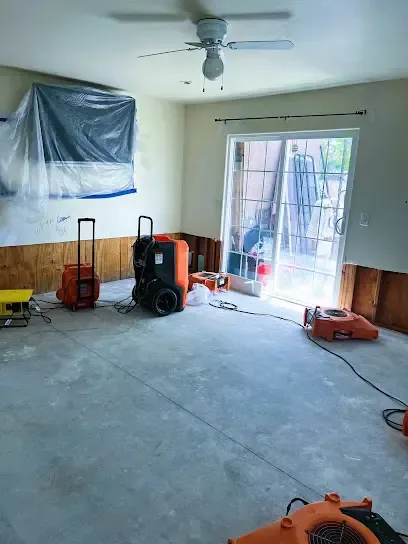
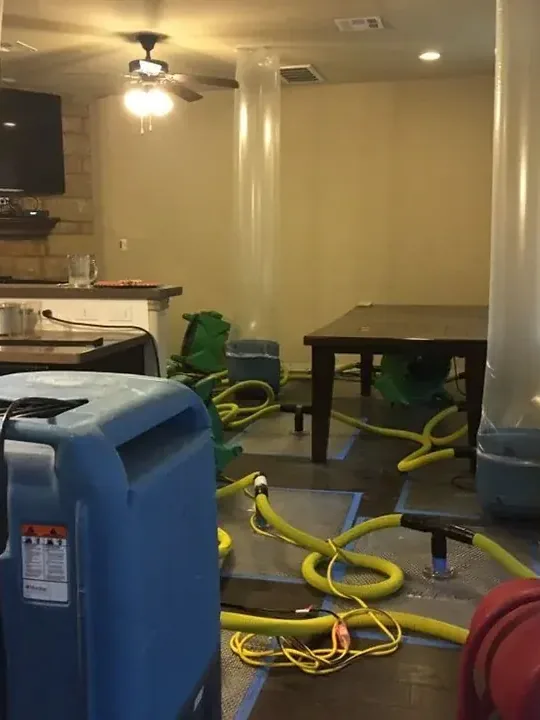
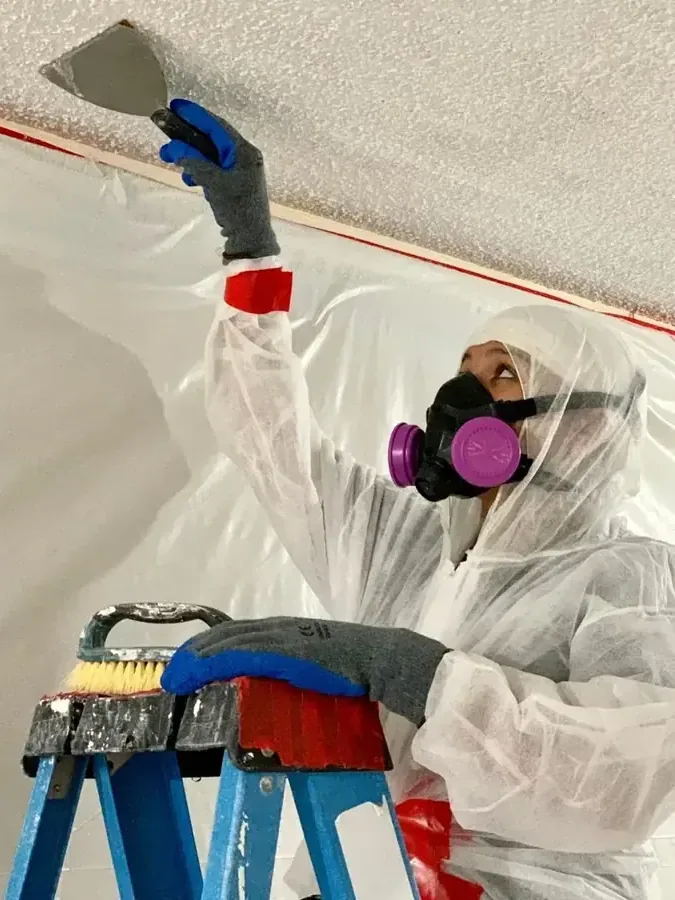
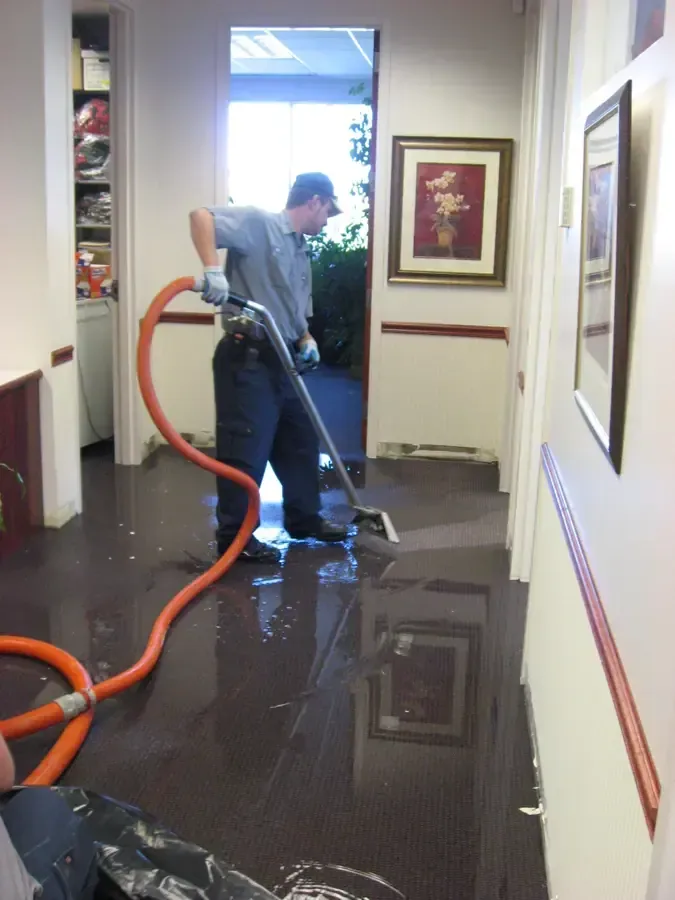
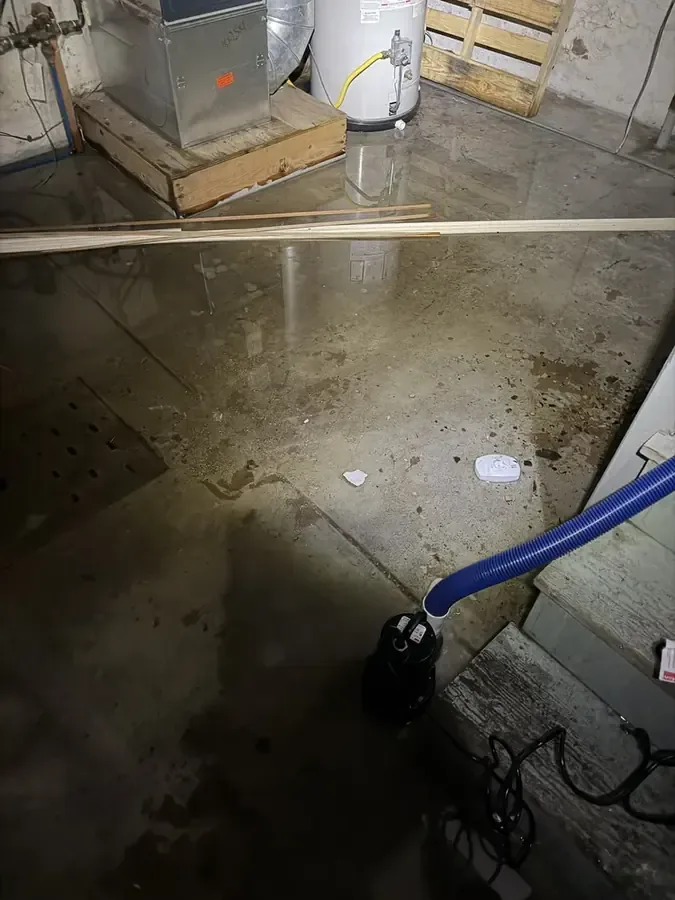
Water damage dried to the IICRC S500 standard
What does water damage restoration cost in Kearny, NJ?
Most losses here run $1,000 to $25,000 or more. A small clean-water leak caught early sits at the low end, while a finished basement soaked by sewer backflow sits at the high end, because porous materials come out instead of drying in place.
Small clean-water loss
- One room or a contained leak
- Extraction and drying
- Category 1 water
Flooded room or basement
- Several rooms or a full basement
- Pad and wall bottoms removed
- Category 1 or 2 water
Sewage or river water
- Category 3 contamination
- Porous materials removed
- Antimicrobial and long drying
What the claim file holds
Adjusters pay on documentation, so the claim file is built while the work happens, not reconstructed afterward from memory.
- A moisture map of every wet room and wall
- Daily psychrometric logs of temperature and humidity
- Timestamped photos taken before any demolition
- The water category and class of loss
- A line-item scope of the mitigation work
Before you file
Sudden and accidental water, such as a burst pipe, is often covered. Flood and sewer backup are usually separate coverages or endorsements.
Check your own policy and talk to your insurer before you sign anything. The documentation helps either way.
Water category, square footage, material class and how fast drying started move the number most. For a closer range, try the water damage cost calculator and then call for a walkthrough.
What to do while the water is still moving
- Stop the source. Close the main shutoff, usually where the water service enters the basement, or the valve at the failed fixture.
- Stay off wet floors near power. Keep clear of outlets, the panel and appliances standing in water, and never wade into sewage.
- Move what you can. Lift boxes, rugs and electronics off a wet basement floor and onto shelves or upstairs.
- Photograph everything. Take photos and video of the water and the damage before anything is moved or thrown out.
- Call before it wicks. Water climbs drywall and plaster within hours, so extraction that starts early saves walls.
From the Uplands to the Meadows and across both rivers
Local crews respond across both ZIPs, from the two-family homes on the ridge to the warehouses where the Passaic and Hackensack meet.
ZIPs covered
[email protected] Find us on Google
(888) 471-9821Call from the Uplands to the MeadowsNeighborhoods and corridors
Nearby towns
Ridge houses, river streets and the warehouse side of town
Homes, apartments over storefronts and commercial floors are all covered, along with North Arlington, Harrison, East Newark and Lyndhurst.
See every neighborhood and town coveredWhy water hits Kearny basements hard
The town sits on a ridge between two tidal rivers, with low Meadows ground to the east and a large share of prewar homes. That mix sends water into basements from below as often as from above.
October 29, 2012 Hurricane Sandy's surge rose through the sewer lines and flooded most homes in the East Midland section, and the town's five pumping stations stopped without power.
Combined sewer backflow
Much of the town drains to a combined sewer that carries rain and sewage in the same pipes. In a cloudburst those pipes fill and push water back up basement floor drains.
Low ground where the rivers meet
The Meadows and South Kearny sit low where the Passaic and Hackensack come together, so river and tidal water reach lower floors and warehouses first.
Prewar plumbing and plaster
A large share of homes were built before 1940, with aging supply pipe, cast iron drains and plaster walls that hide a leak until a stain appears.
Hard winter freezes
Cold snaps split pipes in exterior walls, enclosed porches and unheated basement corners, and the leak often shows only once the thaw arrives.
Pumps that stop with the power
During Sandy the town's pumping stations quit when the power did. A home sump pump with no battery backup fails the same way in a storm.
Stacked units and shared walls
In a two-family house or an apartment over a store, a leak upstairs reaches the unit below, so the dry-out covers both floors.
Every category of water damage, clean to black
Category 1, clean water
From a broken supply line, a split frozen pipe or a water heater. Caught early, most materials dry in place.
See burst pipe cleanupCategory 2, gray water
From a washer, a dishwasher or a sump pit overflow. Pad comes out and surfaces get an antimicrobial.
See sump pump cleanupCategory 3, black water
Sewer backflow, river water and storm surge. Porous materials below the waterline are removed, not dried.
See sewage backup cleanupKearny water damage questions, answered
Water in the building right now?
Skip the reading. Close the main if it is safe, stay out of sewage, and call so extraction can start.
(888) 471-9821 Talk to West Hudson dispatchHow fast can a crew get to my home?
Active water is treated as urgent at any hour. The response team dispatches around the clock, and the call itself is the fastest way to get pumps and dehumidifiers moving.
What should I do right now while I wait?
Close the main shutoff if you can reach it safely, keep clear of outlets and wet appliances, move what you can off the floor and take photos before anything is thrown out.
Why does sewage come up my basement drain when it rains hard?
Much of the town drains to a combined sewer that carries rain and sewage together. When heavy rain fills those pipes, water pushes back toward the lowest opening, often a basement floor drain.
Is a sewer backup covered by homeowners insurance?
Often only with a water backup endorsement. Sudden and accidental leaks such as a burst pipe are usually treated differently. Check your own policy and talk to your insurer.
Is flood damage from the river covered?
Standard homeowner policies usually exclude flood, which is covered by a separate flood policy. The claim file of moisture maps and photos supports either claim.
How long does drying take?
Most contained losses dry in three to five days. Basements with block or stone walls and soaked plaster can take longer, and equipment stays until readings reach the drying goal.
What is IICRC S500?
It is the industry standard for professional water damage restoration. It sets how water is categorized, how drying is planned and measured, and when a structure counts as dry.
When does wet drywall or plaster have to come out?
When Category 3 water touched it, when it has lost strength or when it cannot reach a dry reading in place. Clean-water drywall caught early can usually be dried.
How is the cost of a dry-out figured?
By the water category, the square footage, the class of materials and how fast drying started. The walkthrough and the moisture map turn those into a line-item scope.
Why can mold follow a leak so fast?
Mold can start growing within 24 to 48 hours on wet materials. That window is why extraction and drying start as early as possible after the water stops.
Water in your Kearny home or building? A crew is ready to roll.
Water sitting means damage spreading. Call and the restoration team starts extraction and drying.
(888) 471-9821Bring the pumps and dehumidifiers