Water Damage Restoration Newark, NJ
From rowhouses and apartment buildings in the East Ward to commercial floors downtown, local crews pump out standing water, dry the structure and clean up sewage after floods, burst pipes, leaks and storms across the city.
(888) 471-9821Get a crew started on the water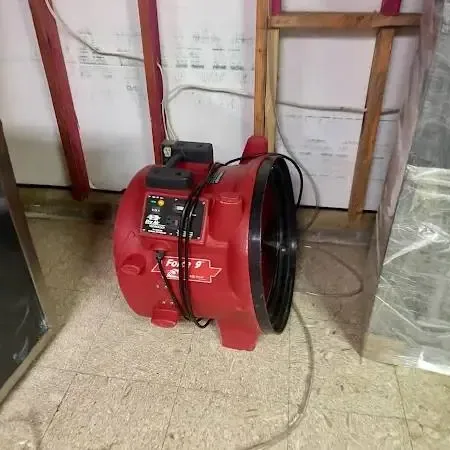 IICRC S500 drying
Water and sewage problems handled
Each service covers a different way water enters a building, from a split supply pipe to river water pushed into low streets by a storm.
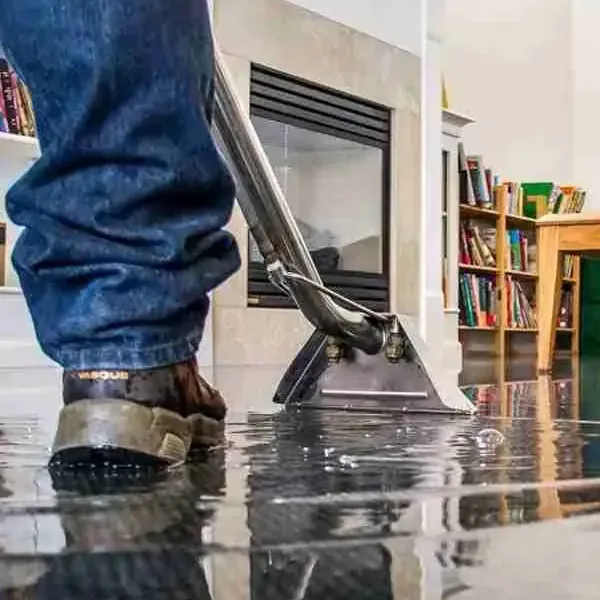 01Water Extraction and RemovalTruck mounted and portable pumps pull standing water off floors before drying begins.Open
 02Burst Pipe Water DamageWet walls and floors opened, dried and checked after a supply pipe splits.Open
 03Frozen Pipe Water DamageSplits found after a thaw are dried out before ceilings and wall cavities stay wet.Open
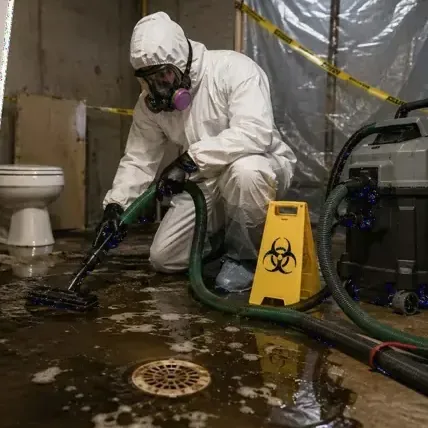 04Sewage Backup CleanupContaminated water from a backed up drain is removed and the area sanitized.Open
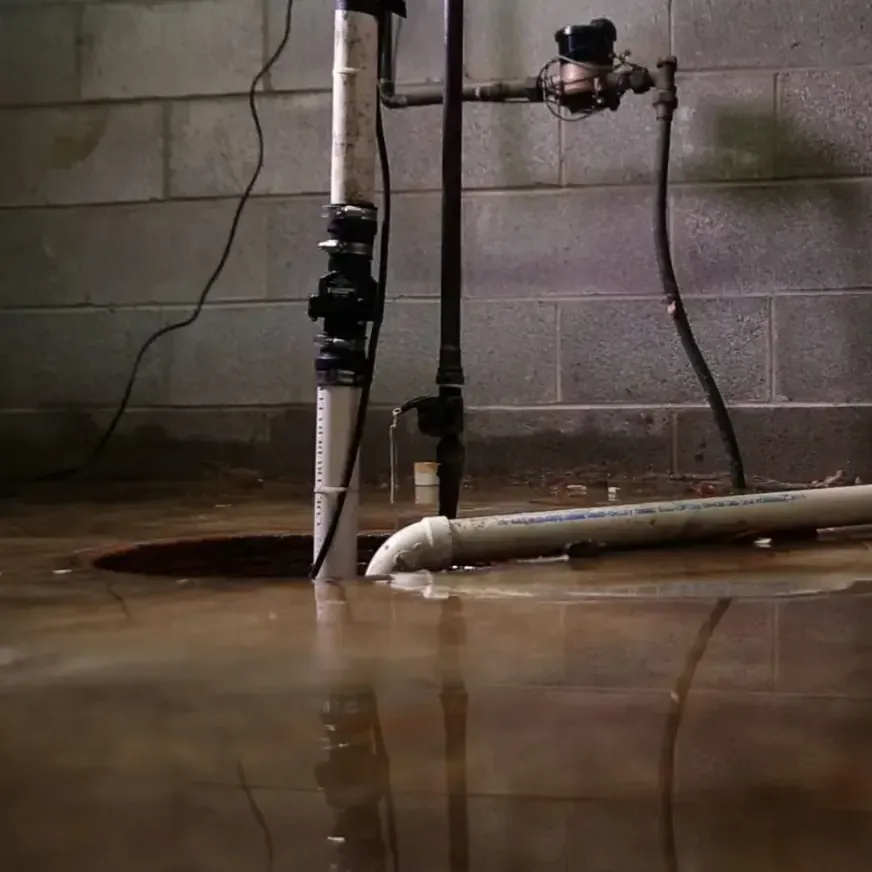 05Basement Flooding CleanupLower levels that take on rainwater or river water are pumped, cleared and dried.Open
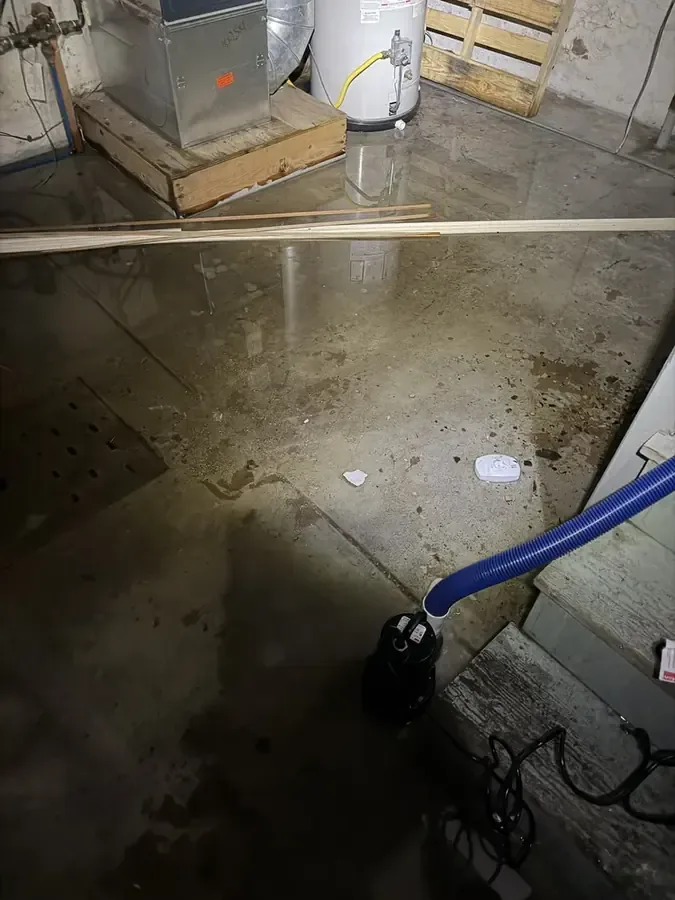
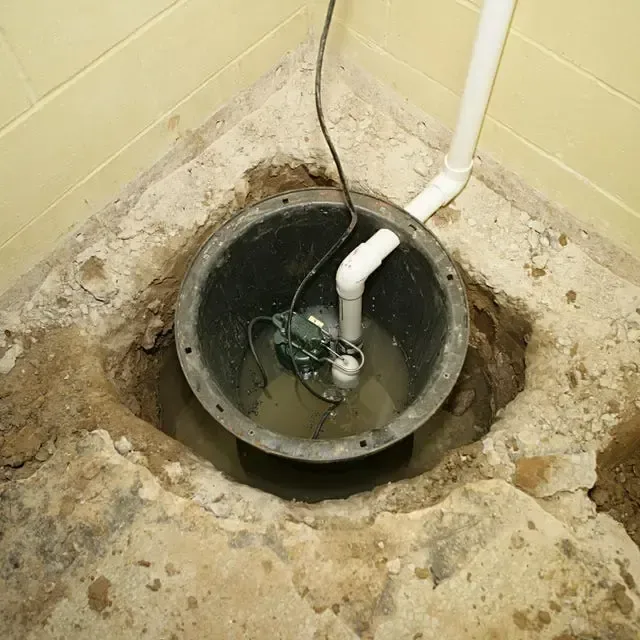 06Sump Pump Failure CleanupWater left behind when a sump pump quits is removed and the area dried.Open
 07Storm and River Flood CleanupRiver and storm water that reaches homes and shops is pumped out and cleaned up.Open
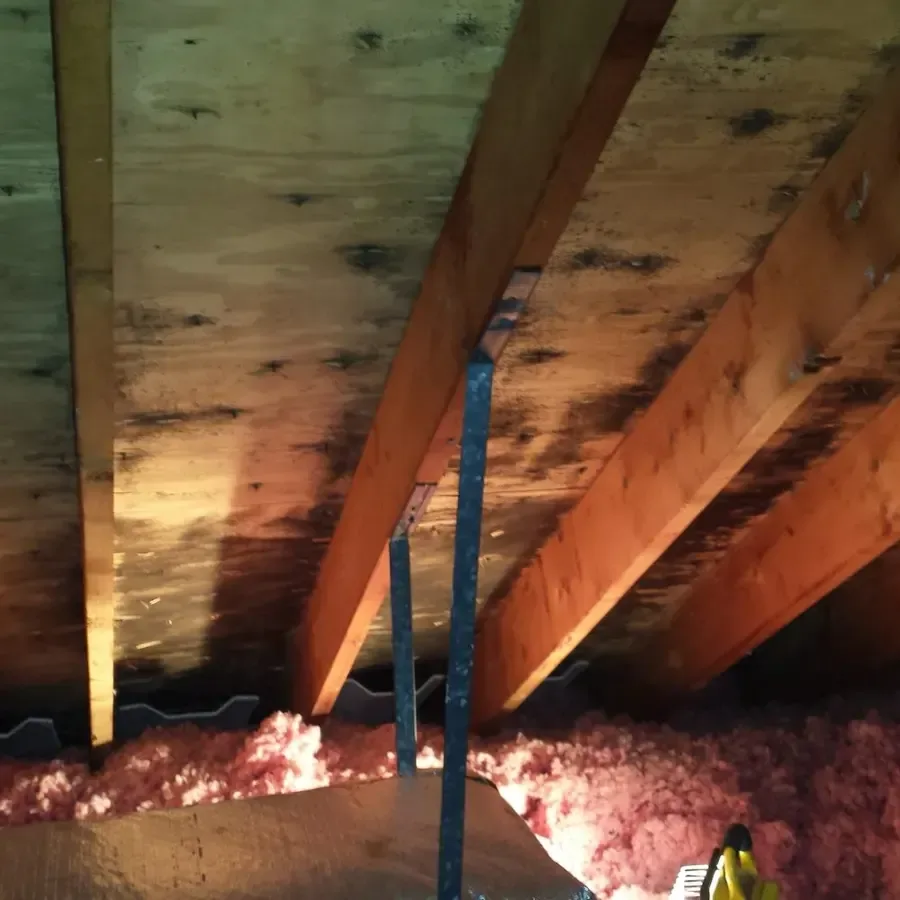 08Roof Leak Water DamageRain that gets past damaged roofing is traced, then wet insulation and ceilings are dried.Open
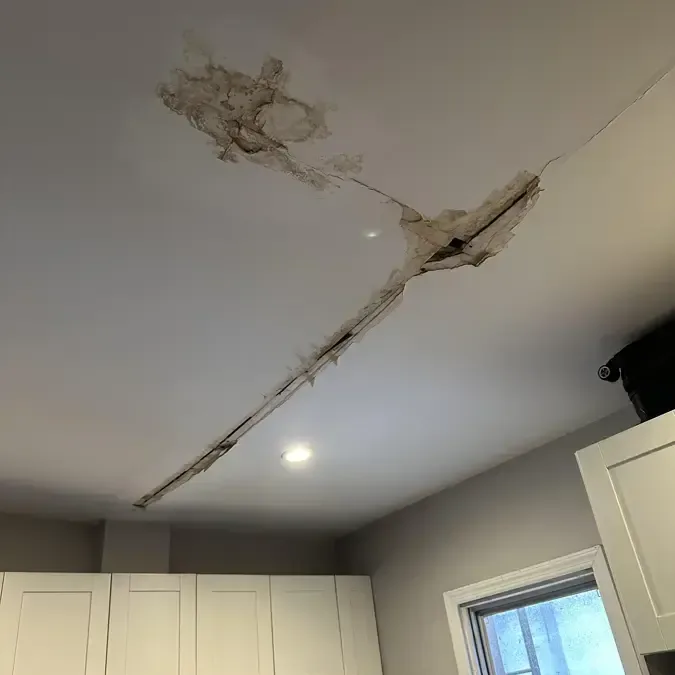 09Ceiling Leak Water DamageStained or sagging ceilings are opened where needed and the source above is traced.Open
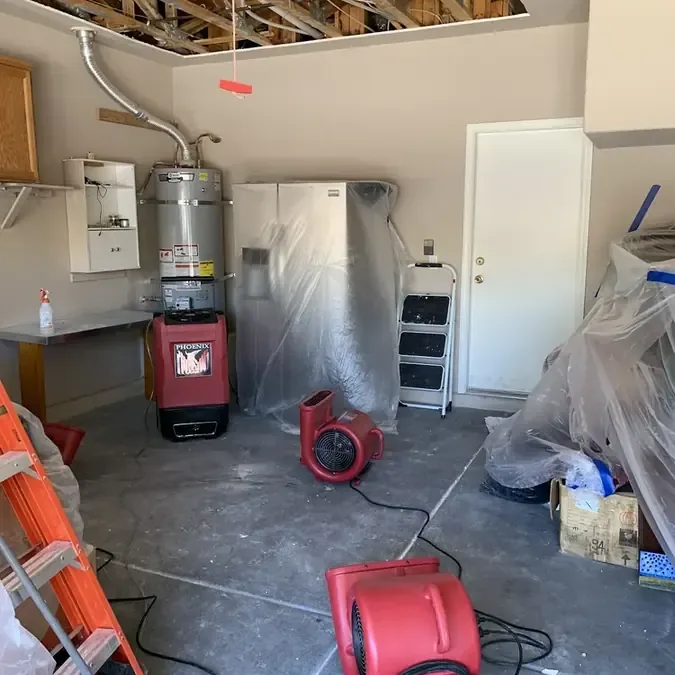 10Water Heater Leak CleanupWater from a failed tank is removed and the surrounding floor and walls dried.Open
 11Appliance and Supply Line LeaksWasher, dishwasher and fridge leaks are dried out of cabinets, subfloors and shared walls.Open
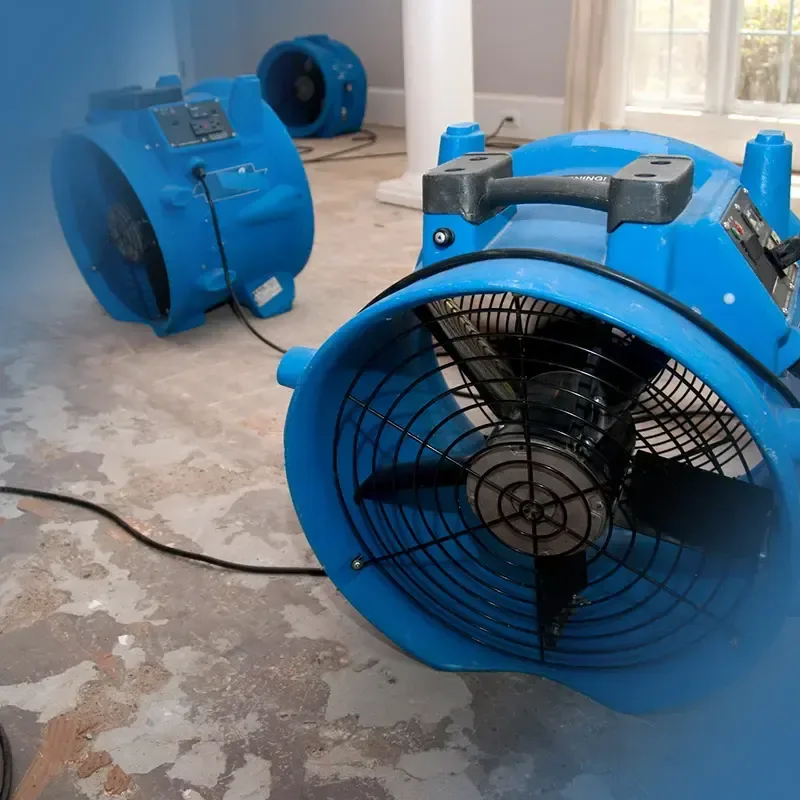 12Structural Drying and DehumidificationAir movers and dehumidifiers dry framing and walls until moisture readings reach the goal.Open
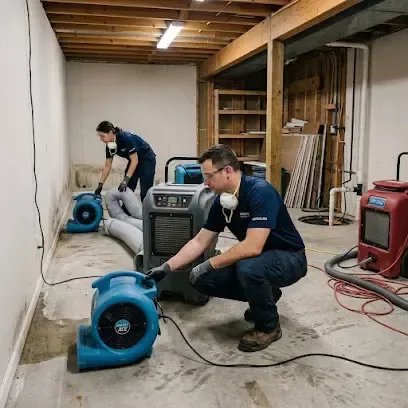 13Commercial Water DamageOffice floors, shops and warehouses are dried in stages to keep operations moving.Open
Water moves differently in dense buildings
Rowhouses, apartment buildings and downtown office floors all hold water in different places, so each job starts by finding where the moisture actually went.
Moisture mapped first
Meter readings across walls, floors and ceilings show how far the water traveled before any equipment is placed.
Shared walls considered
In attached buildings, a leak in one unit often reaches the neighbors, so adjoining walls and floors get checked too.
Sewage kept separate
Contaminated water gets its own handling, protective gear and disposal, never the same steps as a clean supply pipe leak.
Drying logged daily
Readings are recorded at each visit and the equipment stays until the structure reaches its dry standard.
Drying stays until the readings say dry
Water removal comes first, then controlled drying with air movers and dehumidifiers, checked against moisture readings rather than guesswork or a fixed number of days on the calendar.
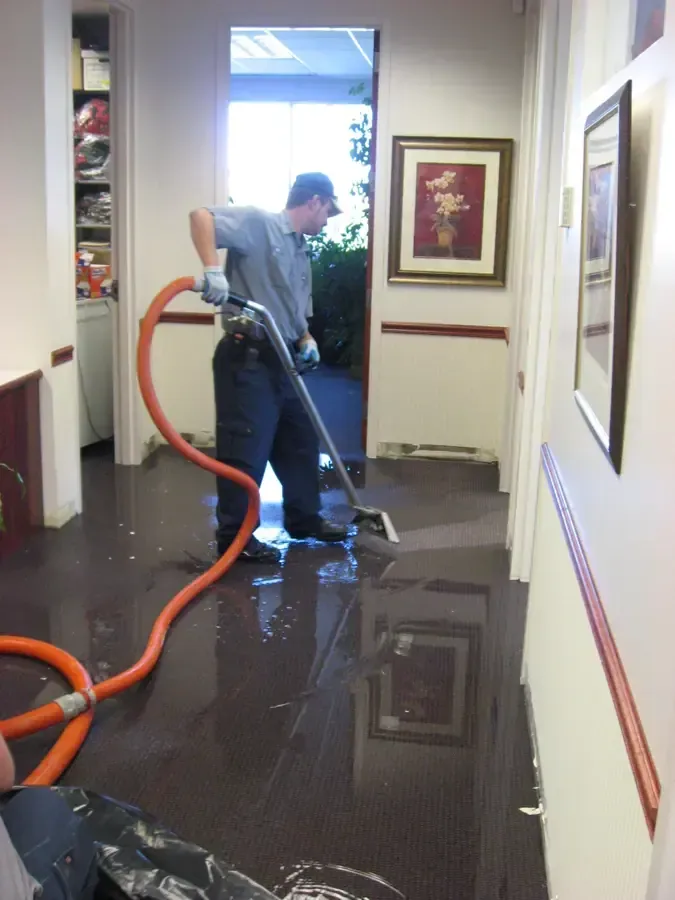
- Water out. Pumps and wands remove standing water, because evaporation alone leaves much of it in the structure.
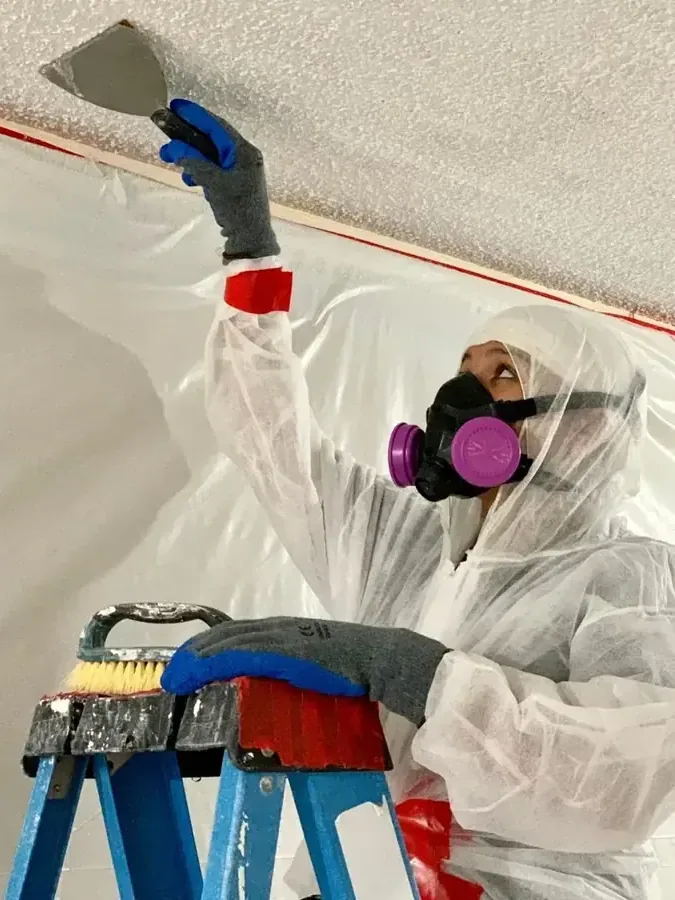
- Open up. Baseboards, wet drywall and soaked insulation come out where they cannot dry in place, so air reaches the cavity.
- Dry down. Air movers push moving air across surfaces while dehumidifiers pull moisture out of the room's air.
- Verify the finish. Moisture meters confirm each material reached the dry goal before any equipment is removed.
What the equipment and the results look like
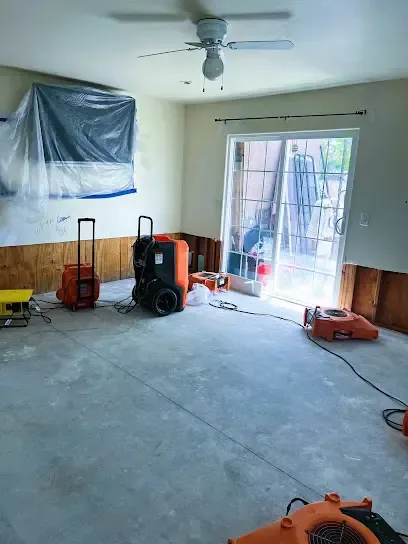
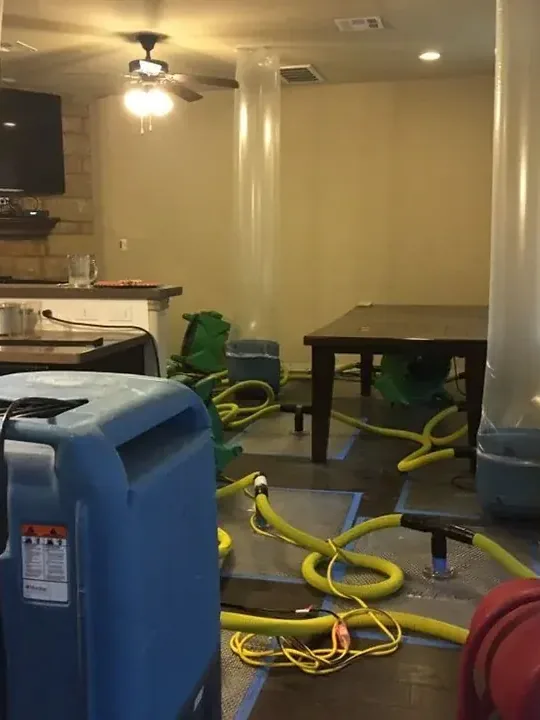
Standards followed on every water job
Typical price ranges for water damage cleanup
Most Newark jobs run from $2,000 to $25,000+, depending on how many rooms are wet, how long the water sat and whether it was clean, gray or sewage. The final figure comes from what the moisture readings show once the crew looks at the damage.
Small and contained
- Standing water pumped out
- Walls and floors dried
- Short equipment stay
Several rooms affected
- Wet drywall and trim removed
- Several rooms dried
- Daily meter readings
Deep or contaminated water
- Sewage or river water handled
- Containment and disposal
- Longer drying schedule
Working with your insurance company
Claims go smoother when damage is documented before anything is thrown out. Adjusters usually ask for these records.
- Dated photos of every wet room and surface
- Moisture readings recorded at each visit
- A written list of damaged belongings and furniture
- The cause of loss, such as a split pipe or storm water
- Receipts for emergency repairs and equipment
What owners can do first
Stop the water at its source if that is safe, and lift small belongings off wet floors.
Stay out of rooms where water touches outlets or the panel, and keep sewage water away from skin and food.
Ranges reflect equipment days, labor and materials removed. Policies differ, so the final number is set after the crew measures moisture in the building, including structural drying time.
What to do right after water appears
- Make it safe. Keep people and pets out of any room where water reaches outlets, cords or the electrical panel.
- Stop the source. Close the shutoff for a leaking pipe or appliance, and stay out of storm or sewer water.
- Take photos. Record water levels, damaged belongings and the visible source before anything is moved.
- Call a crew. Describe the source and the rooms affected so the right gear for water extraction and drying is loaded.
- Start the claim. Notify the insurance company and keep every receipt from the first day.
From the Ironbound to Vailsburg and the wards between
Crews work across the Ironbound, downtown, the North, West and South wards and the streets near the airport and seaport.
Neighborhoods and main roads
Nearby towns
Dense blocks, river streets and the port side of the city
Homes, apartment buildings and commercial floors are all covered, and crews also work in neighboring Belleville, Harrison and Kearny.
See all neighborhoods and nearby townsHow water reaches buildings here
The city is essentially a large basin sloping toward the Passaic River, which empties into Newark Bay at the city's edge, so storm water, river water and overloaded sewers all drift toward low ground.
October 29, 2012 Hurricane Sandy pushed a wall of water into the East Ward, leaving at least five feet at the eastern end of Raymond Boulevard and elsewhere in the Ironbound.
Combined sewer overflow
Wastewater and street runoff share the same pipes in most of the city, and overflow follows once a storm tops capacity, which is when sewage backup cleanup becomes necessary.
Packed East Ward blocks
Large apartment buildings and rowhouses sit close together, so a leak or flood in one unit can reach shared walls, floors and ceilings next door.
Wind and power loss
Wind tore siding and roofing material from buildings across the city during Sandy, and the outages that followed shut down electric pumps.
Cold winter weather
January averages 32.8 degrees F and most years dip below 10 degrees, so pipes in exterior walls can freeze and split unnoticed.
Older construction
The city was settled in 1666, and Forest Hill still has older mansions and colonial homes where dense materials hold water longer.
Downtown office space
Downtown has more than 9,000,000 square feet of Class A office space, so a failed pipe on one floor can reach tenants below.
Three common water situations
Split supply pipes
Water from a split pipe soaks the wall cavity first and then the floor and ceiling below, so drying has to follow it through the building.
Burst pipe cleanupStorm and river water
Flooding from heavy rain or the river is pumped out, cleaned and dried to the studs.
Storm flood cleanupSewage backing up indoors
A backed up drain means contaminated water, which calls for protective gear and careful disposal.
Sewage backup cleanupWater damage questions
Water in the building right now?
Say what happened and which rooms are wet, and the right pumps and drying gear get loaded for the job.
(888) 471-9821 Call about water damage nowHow much does water damage cleanup cost in Newark?
Most jobs run from $2,000 to $25,000+, set by how many rooms are wet, how long the water sat and whether it was clean water, gray water or sewage.
What should happen first when a pipe bursts?
Close the main shutoff, stay clear of wet outlets and the electrical panel, and photograph the damage before anything is moved. Then tell the crew which rooms are wet so the right equipment comes.
Is sewage water different from other flood water?
Yes. The city mostly uses combined sewers where street runoff and wastewater share pipes, so overflow is contaminated and gets protective gear, containment and careful disposal.
How long does drying take?
Most jobs need several days of air movers and dehumidifiers, and moisture readings decide when the equipment can leave rather than a fixed schedule.
Can a leak in one apartment damage the units around it?
Yes. Water follows framing, floor seams and plumbing openings into neighboring walls and ceilings, so adjoining units are checked during the job.
Does Passaic River flooding need special handling?
River flood water can carry sewage, mud and debris, so protective gear is used and porous materials it soaked are usually removed rather than dried.
When does mold become a concern?
Wet drywall, wood and insulation can start growing mold after about two days, which is why extraction and drying begin as soon as the water source is stopped.
How do insurance claims work for water damage?
Coverage depends on the policy and the cause. Dated photos, moisture readings and receipts give the adjuster the records needed, and the drying logs are kept for the claim file.
Do crews handle businesses and offices too?
Yes. Downtown offices, shops, warehouses and industrial space are all handled, with work zones set up so the rest of the building can keep operating where possible.
Which neighborhoods do crews cover?
Crews work across the Ironbound, downtown, University Heights, Forest Hill, Vailsburg, Weequahic and the rest of the city's wards and ZIP codes.
Water is still spreading? Get the cleanup started now.
Pumps, dryers and sewage cleanup gear are ready for homes and businesses across the city.
(888) 471-9821Call for local water cleanup