Water Damage Restoration Harrison, NJ
In Harrison, a town of 19,450 people living close together, one leak or flood seldom stays in one space. The restoration team extracts standing water, then dries floors, framing and walls to a measured goal.
(888) 471-9821Basement taking on water? Call for pumps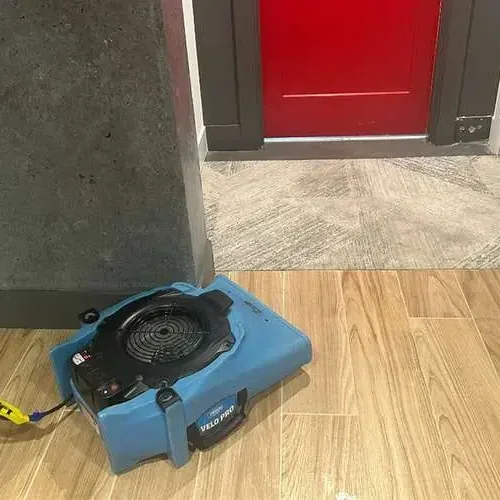 IICRC S500 drying
Water and sewage services for local buildings
Each service covers one kind of water loss, from a failed pipe in a shared wall to river water in a basement, with extraction and drying built in.
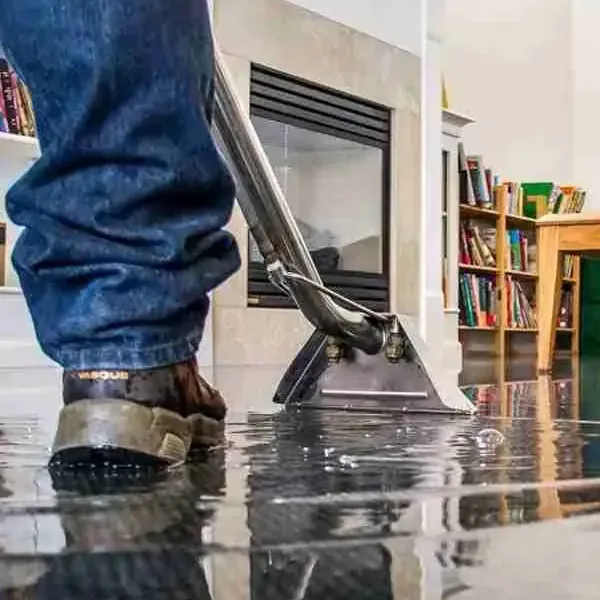 01Water Extraction and RemovalTruck-mounted pumps pull standing water from basements and ground floors before walls absorb it.Open
 02Burst Pipe Water DamageSplit supply pipes are traced, the wet wall is opened, and the cavity is dried.Open
 03Frozen Pipe Water DamageFreeze splits in outside walls and cold basements are extracted and dried fast.Open
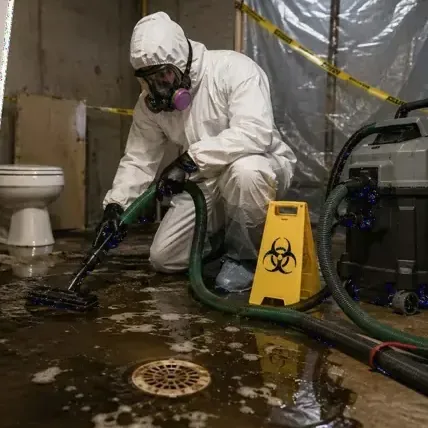 04Sewage Backup CleanupContaminated water from a backed-up floor drain is removed, cleaned and disinfected with protective gear.Open
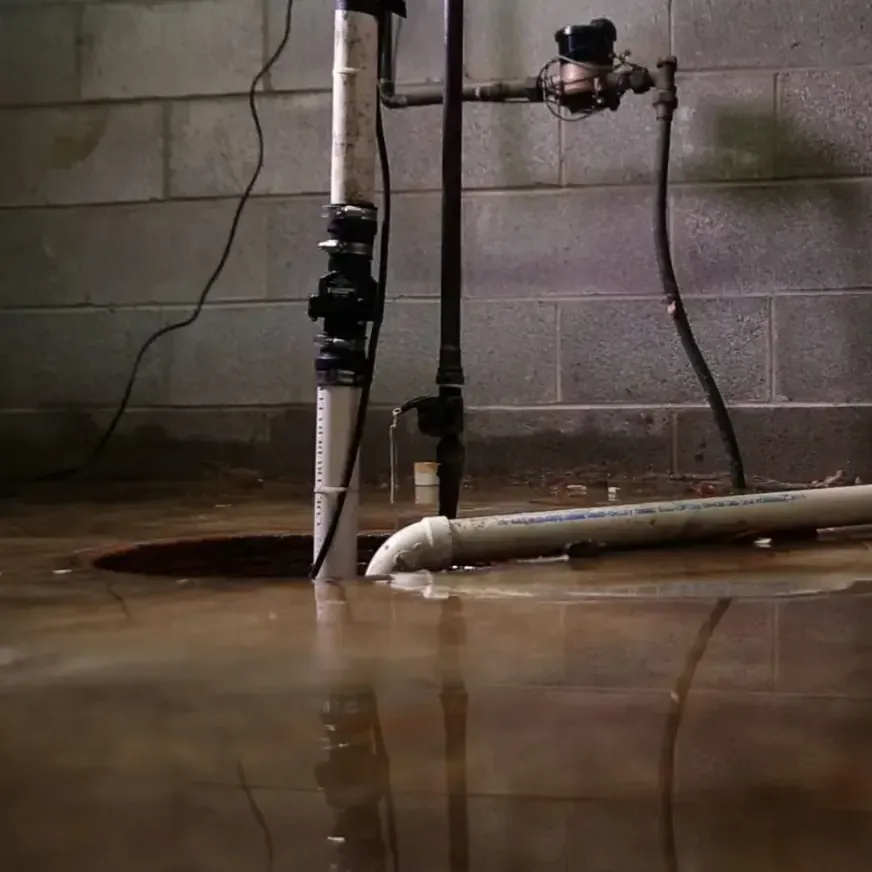 05Basement Flooding CleanupFlooded basements are pumped out, then walls, floors and stored belongings are sorted and dried.Open
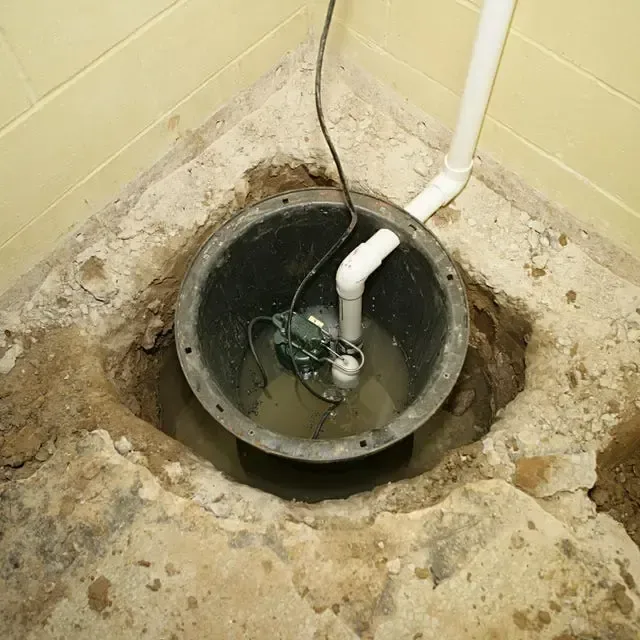 06Sump Pump Failure CleanupA failed sump pump means a basement flood, pumped out and dried.Open
 07Storm and River Flood CleanupRiver overflow and heavy rain get pumped out of basements and first floors.Open
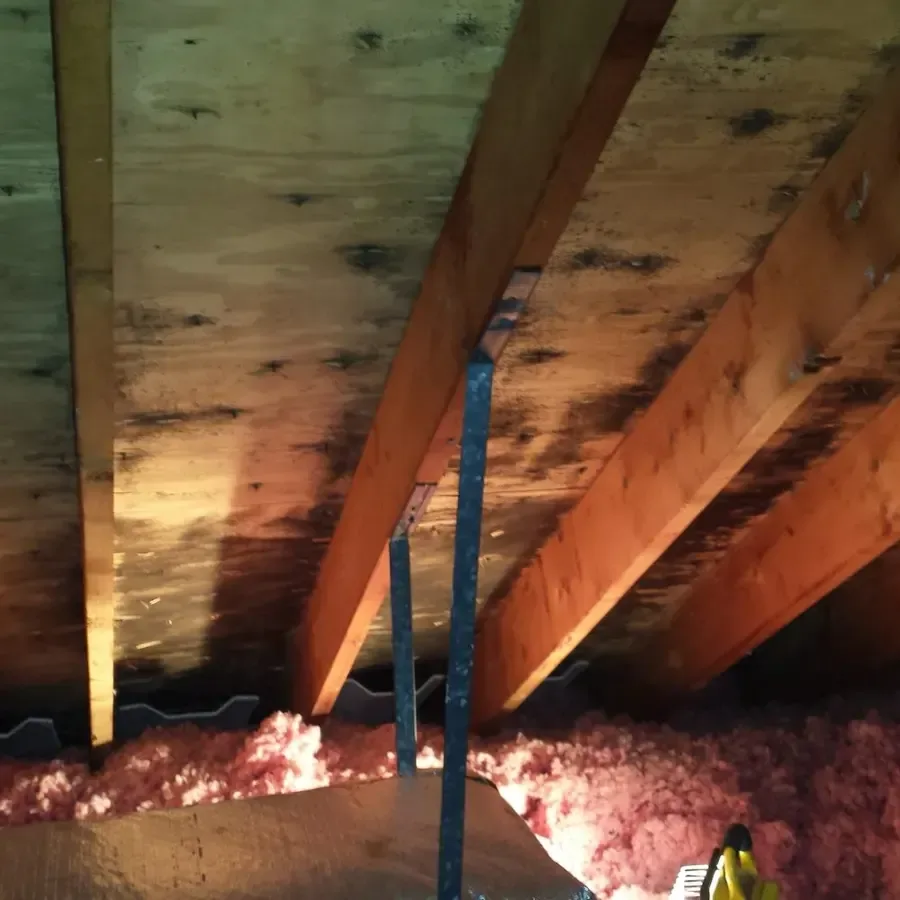 08Roof Leak Water DamageRain that finds weak flashing wets the attic, then the ceilings below.Open
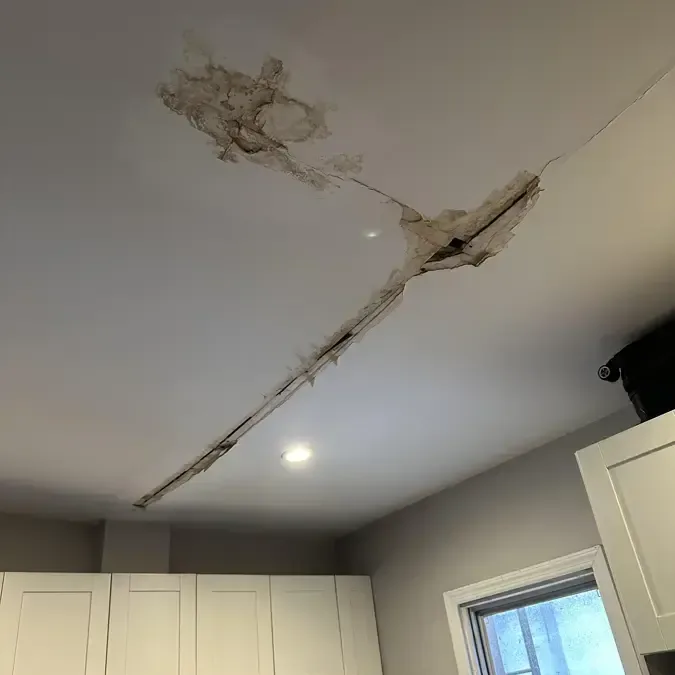 09Ceiling Leak Water DamageCeiling stains often start in the unit above, so source and wet drywall are both handled.Open
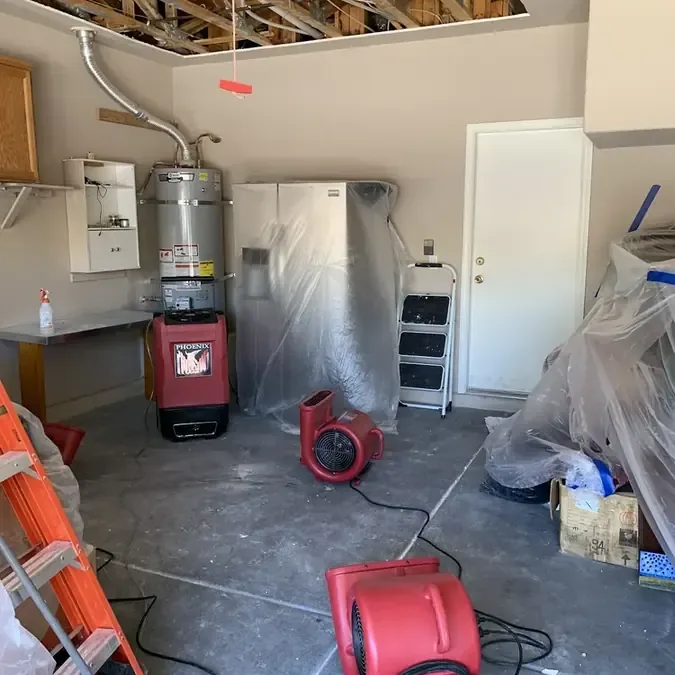 10Water Heater Leak CleanupTanks and boilers in low basements fail without warning, flooding the floor around them.Open
 11Appliance and Supply Line LeaksWasher hoses, dishwasher fittings and supply connectors leak into floors and neighboring units.Open
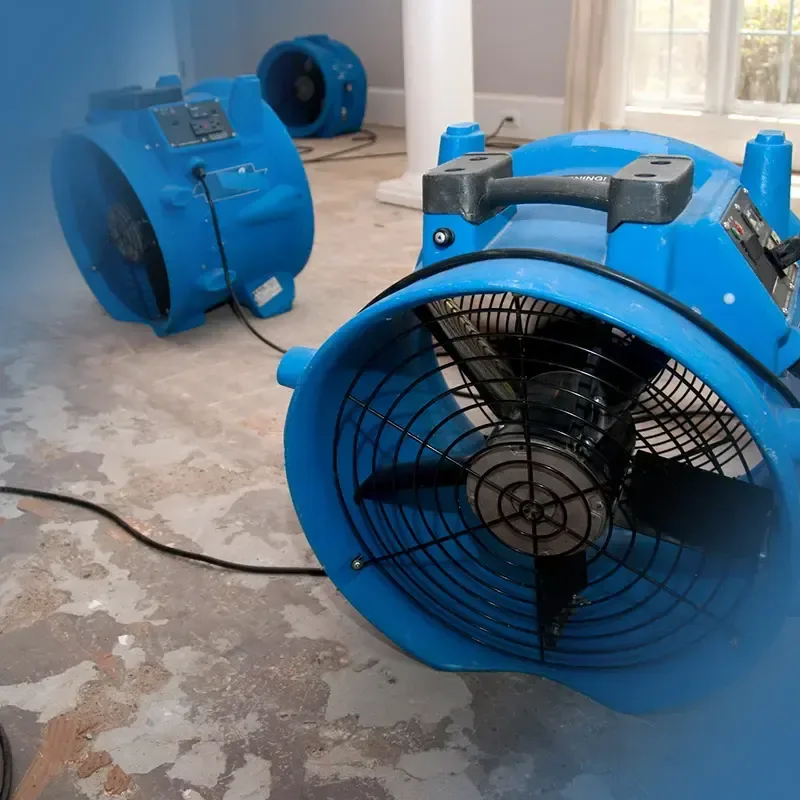 12Structural Drying and DehumidificationAir movers and dehumidifiers dry framing, subfloors and drywall until readings reach the drying goal.Open
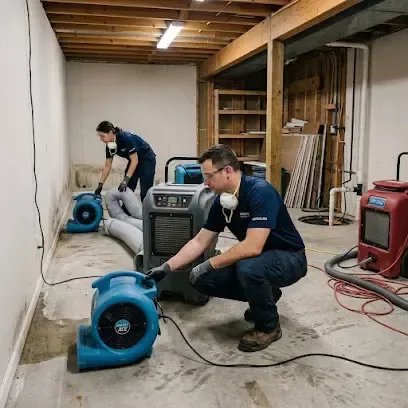 13Commercial Water DamageShops, offices and warehouses are dried in phases so tenants can keep working.Open
A dense town where leaks travel
Harrison's streets sit close to the Passaic River and to each other, so water from one failure often finds a basement, wall or ceiling beyond the first.
Night and weekend response
A pipe can fail at midnight, so the response team treats active water as urgent at any hour, holidays included.
Water out first
Extraction comes before fans, because every gallon left standing keeps soaking into pad, plaster, subfloor and framing.
Readings, not guesses
Moisture meters and thermal imaging map the wet areas, and daily readings decide when the equipment comes out.
Shared-wall awareness
In buildings that share walls, floors and ceilings, the team checks the adjoining spaces for spread before leaving.
Drying that follows the IICRC S500 standard
Drying is finished by readings, not by how a room feels. The drying team logs moisture daily and keeps equipment running until framing and subfloors match dry reference levels.
- Find the water. Moisture meters and thermal imaging show which walls, floors and ceilings took on water, even behind surfaces.
- Pull it out. Pumps and extraction wands remove standing water first, since fans alone cannot clear it.
- Dry the structure. Air movers and dehumidifiers run together, positioned for the room's size and the materials involved.
- Confirm it is dry. Daily readings continue until wet materials match dry reference points, and only then does the equipment leave.
Extraction and drying gear in action
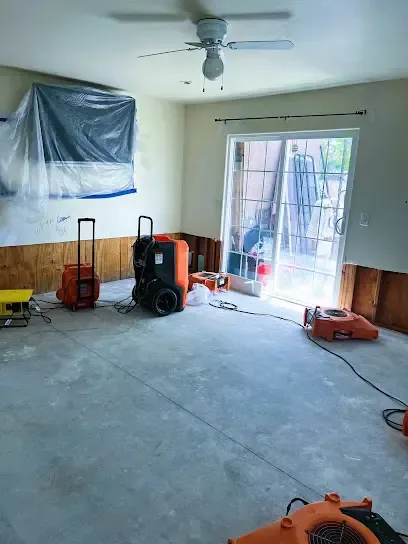
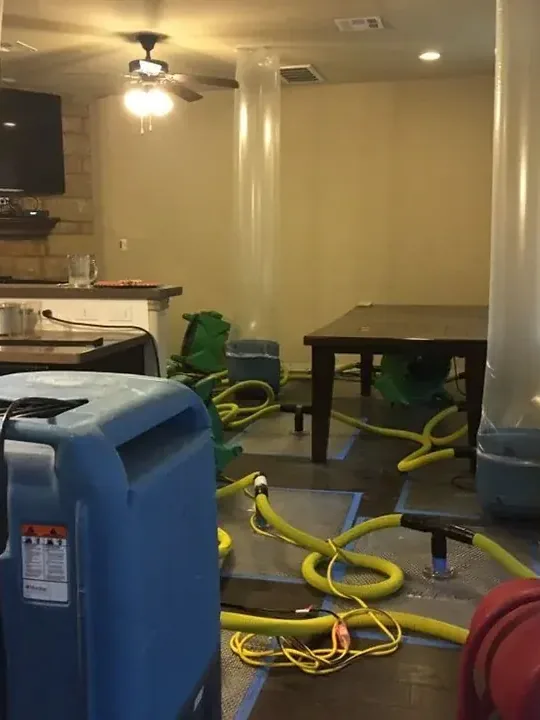
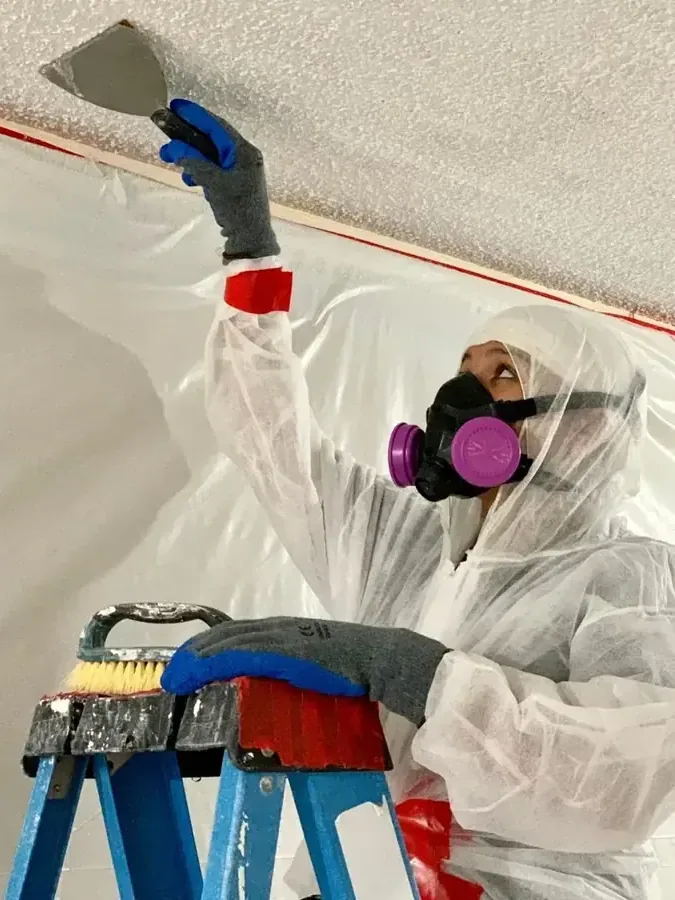
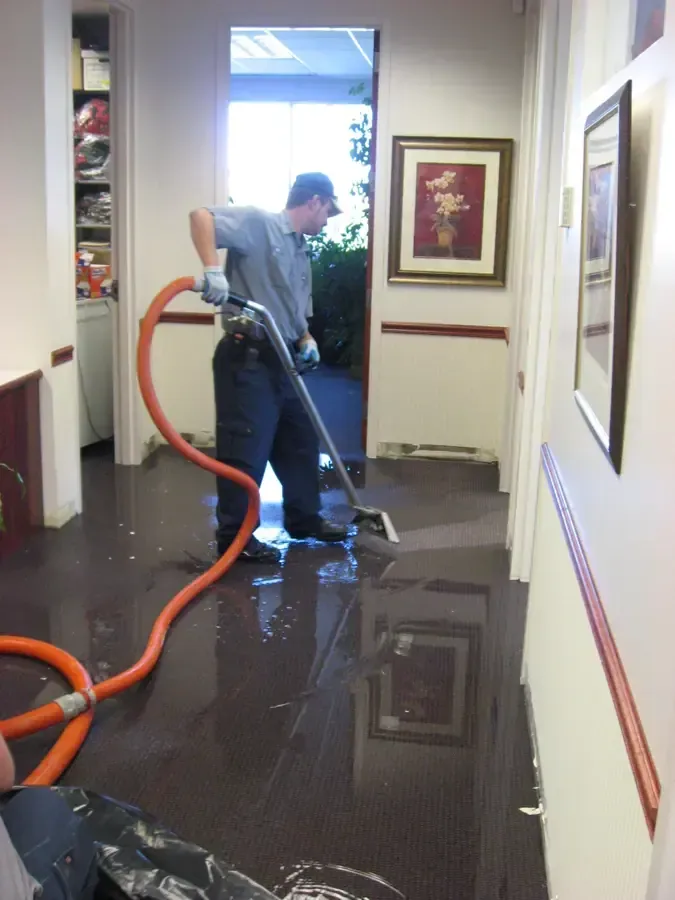
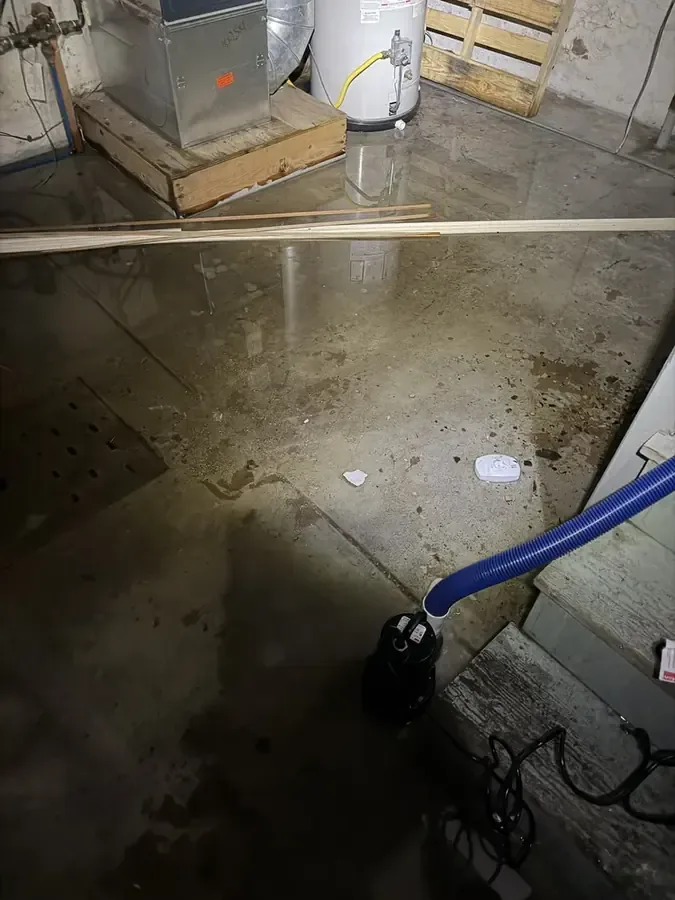
Water damage dried to a measured standard
What does water damage cleanup cost in Harrison?
Cost follows the volume of water, the number of floors involved, how long materials sat wet and whether the water is clean or contaminated. A contained basement leak sits at the low end, while a finished basement or sewage-tainted flood climbs fast.
Unfinished basement leak
- Water pumped out
- Fans and dehumidifier
- Floor and wall checks
Finished basement flood
- Extraction and cleaning
- Wet drywall and trim removal
- Several days of drying
Deep or sewage-tainted water
- Sewage or river water
- Contaminated materials removed
- Disinfection and extended drying
Working with your insurance claim
Adjusters want to see the loss as it happened, so the damage is documented before anything gets moved or thrown out.
- Wide and close photos of the water and damage
- A written list of damaged belongings
- Moisture readings and daily drying logs
- Receipts for emergency mitigation work
- Your claim number and adjuster's contact details
What owners can do first
Shut off the water source if it is safe, move valuables out of the wet area and photograph everything before cleanup starts.
Keep damaged materials until the adjuster has seen them, and ask the response team for a dated record of readings.
These ranges are typical for basement losses and are not a quote. Water type, square footage and how fast drying starts move the final figure more than anything else.
First steps when water gets in
- Stop the source. Close the main shutoff or the valve at the failed fixture to stop new water from entering.
- Protect the electrics. Keep clear of standing water near outlets, cords and the panel, and cut power only from a dry spot.
- Photograph everything. Take wide and close photos of the water, the source and damaged belongings before moving anything.
- Lift what you can. Raise furniture, rugs and boxes off wet floors and set wet cushions or paper somewhere dry.
- Call for extraction. Describe the water source and how far it has spread so the right equipment is loaded first.
Service across Harrison, from the river edge to the redevelopment area
Local crews respond throughout the town, from basements on the low streets near the Passaic River to apartment buildings in the redevelopment area.
Streets and neighborhoods
Nearby towns
Basements, apartments and busy commercial blocks
Warehouses and ground-floor shops are covered too, along with neighboring Kearny, which was part of Harrison until 1867.
Browse the nearby service areasHow water has reached the town
Water reaches this town two ways: over the Passaic River bank and up through storm drains that back up into basements. Both have caused real damage, and during Sandy the two arrived at once.
October 29, 2012 In Sandy the Passaic River came over its banks around 6 p.m., and storm drains backed up along Warren Street, Sussex Street and Bergen Street into basements.
River and planned barriers
Planned floodwalls and levees are meant for the redevelopment area, so water in an ordinary basement is still handled one property at a time.
Windows and nearby streets
Water rushed into basement windows on Warren Street, and Sandy floodwater also reached Hamilton Street, Reynolds Avenue and Cleveland Avenue.
Flooded twice
Some homes in the First Street area flooded in Hurricane Irene in August 2011 and again in Sandy, after owners had replaced boilers and heaters and remodeled basements.
Damage after the water
In flooded homes after Sandy, basement ceilings collapsed and paint peeled off basement walls, which is why wet materials are dried quickly.
Rescues and shelters
More than 60 residents were rescued in the first six hours of Sandy, and the senior center and high school sheltered more than 200 people at the peak.
New buildings, old risk
Nearly 3,000 residential units have been built in the redevelopment area, mostly multi-family buildings near the PATH station, and most of that area sits in a 100-year flood plain.
Three water problems crews see often
Basement flooding
Low basements near the river and backed-up storm drains put standing water on floors and against walls. Pump-out comes first.
See basement cleanupSewage in a floor drain
Water that comes up a drain is contaminated, so it is removed and surfaces are disinfected with protective gear.
Read about sewage cleanupLeaks from the unit above
In shared buildings, a leak overhead stains ceilings and soaks walls below before anyone finds the source.
See ceiling leak workHarrison water damage questions
Active leak or standing water?
Describe what failed and where the water is spreading, and the right pumps and dryers are loaded first.
(888) 471-9821 Reach the response team nowHow fast does water damage spread in a tightly built town?
Water moves through floors, wall cavities and ceilings quickly, and in buildings that share structure it can cross into a neighbor's space. Acting early limits both the spread and the teardown.
When can mold start after a leak?
Damp drywall, insulation and wood can begin growing mold after 24 to 48 hours, which is why extraction and drying start as soon as the water is found.
What should happen first when a basement floods?
Stop the source if it is safe, stay clear of standing water near outlets and the panel, photograph the damage, then call for extraction so pumps can start.
Is river or storm water handled differently?
Yes. River and storm water carry dirt and bacteria, so porous materials such as carpet and pad are usually removed and hard surfaces are cleaned and disinfected.
Can a leak in one apartment reach the unit below?
Yes. Water follows pipes, floor joists and wall cavities downward, so the team checks ceilings and walls in adjoining spaces and records readings for the building manager.
How long does structural drying take?
Most jobs need several days of structural drying, and readings decide when the equipment stops. Thick framing and finished basements take longer than a single hard floor.
Does cost change for finished basements?
Yes. Drywall, flooring and trim add removal and drying work, so a finished basement usually costs more than a bare block one with the same amount of water.
Is sewage cleanup different from clean-water cleanup?
Very. Sewage is contaminated, so the crew wears protective gear, removes porous materials and disinfects what stays. See sewage backup cleanup for the full steps.
Does the response team work on commercial properties?
Yes. Warehouses, offices and ground-floor shops are dried in phases, as described under commercial water damage, so tenants can keep working.
Will insurance pay for the water damage cleanup?
Coverage depends on the policy and the cause, and sudden pipe failures are often treated differently from seepage or flood. Photos and drying logs help the adjuster review the loss.
A leak or flood in Harrison needs pumps and dryers now
Standing water keeps spreading until it is pulled out. Call, and extraction and drying start.
(888) 471-9821Send pumps and dryers over