Water Damage Restoration East Orange, NJ
A burst pipe, a failed appliance or a backed up drain can soak an East Orange apartment building floor by floor, so the extraction crew removes the water first and the drying team then dries every wet material to a logged moisture target.
(888) 471-9821Water on the floor? Get the crew moving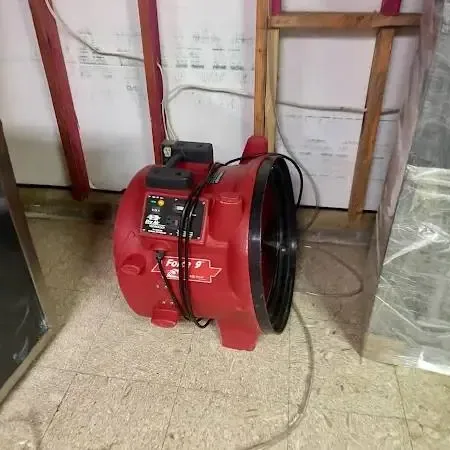 IICRC S500 drying
Water and sewage services available
Thirteen kinds of water and sewage loss are handled here, from one wet room in an older apartment to a flooded commercial floor, and each gets its own plan.
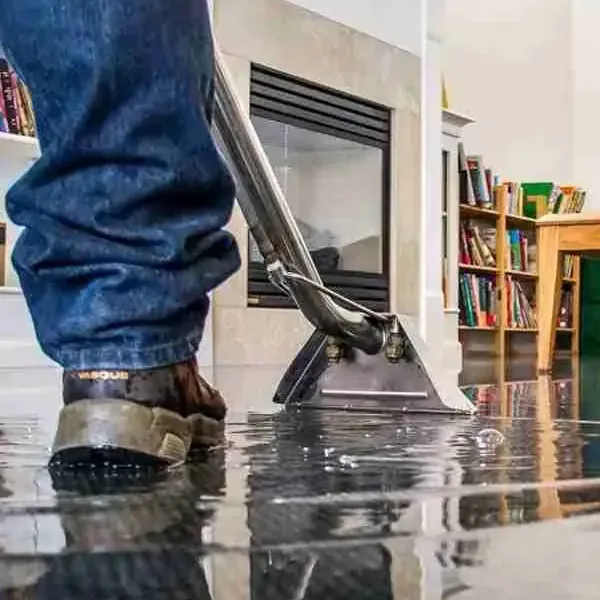 01Water Extraction and RemovalStanding water is pumped and vacuumed from occupied rooms before it spreads further.Open
 02Burst Pipe Water DamageSplit supply pipes are shut off, the wet area extracted and the wall opened to dry.Open
 03Frozen Pipe Water DamageCold weather splits show up at the thaw, when hidden water reaches walls and floors.Open
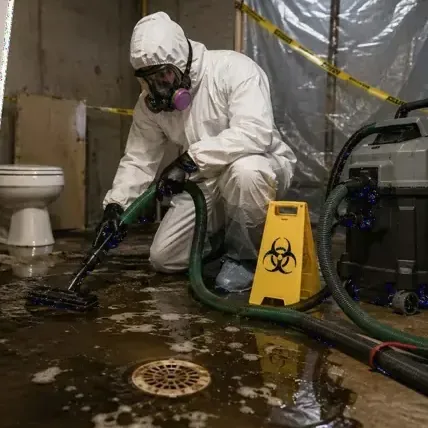 04Sewage Backup CleanupContaminated backups are extracted, affected materials removed and surfaces disinfected.Open
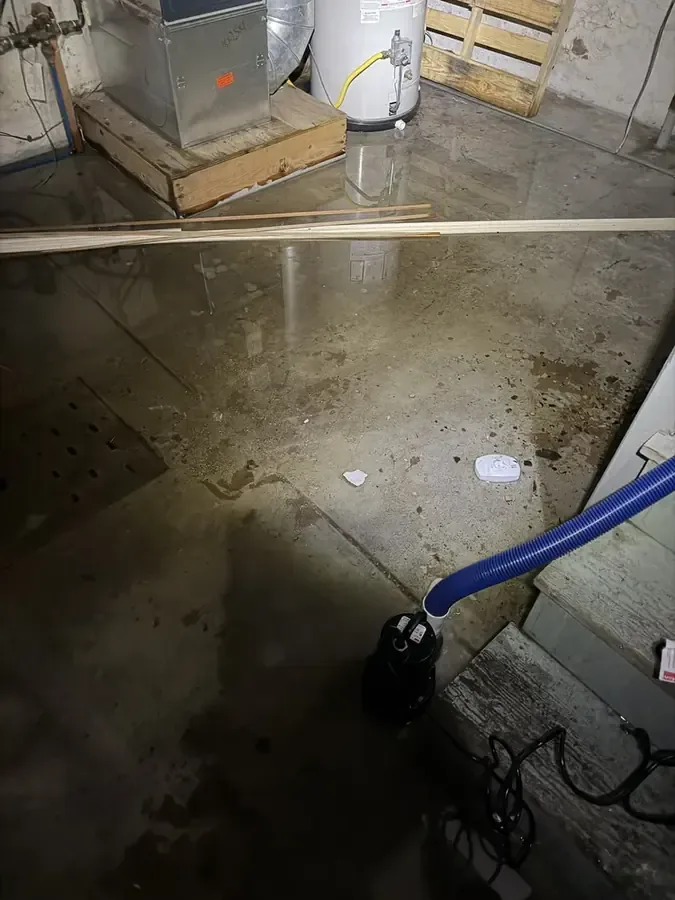
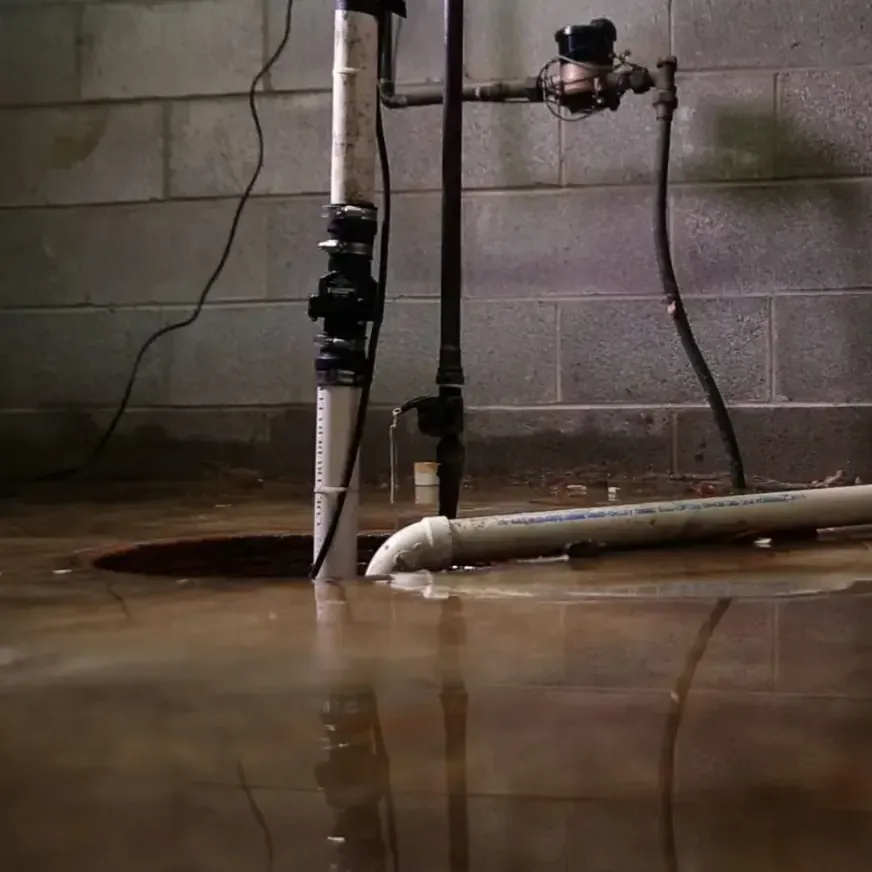 05Basement Flooding CleanupFlooded lower levels are pumped out, stripped of wet finishes and dried to readings.Open
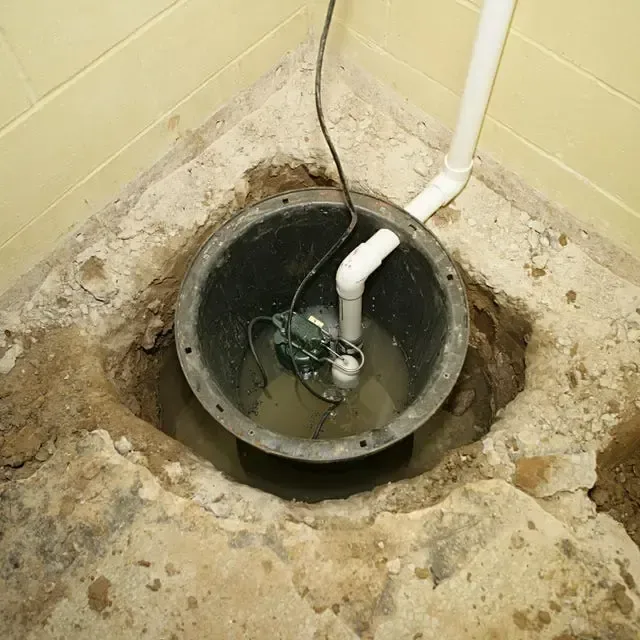 06Sump Pump Failure CleanupWhen a sump pump quits, the water that got through is extracted and the area dried.Open
 07Storm and River Flood CleanupMuddy storm water is removed, soaked finishes are stripped and surfaces are disinfected.Open
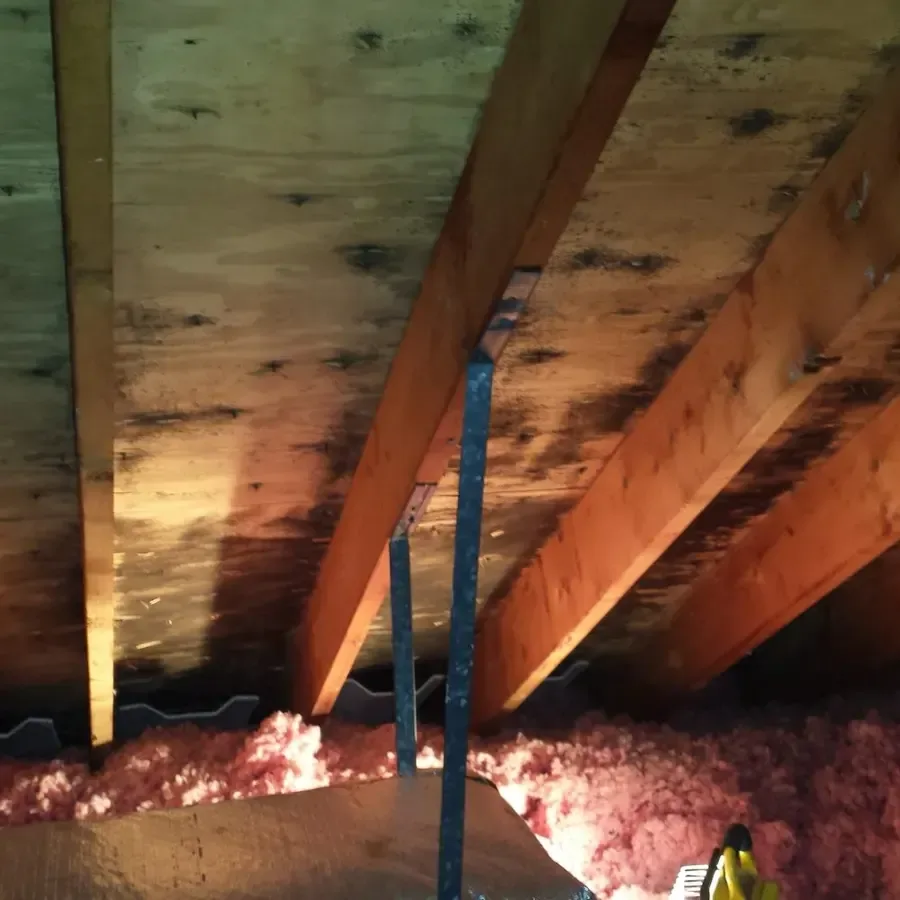 08Roof Leak Water DamageWet insulation and ceilings below a roof opening are found, removed and dried.Open
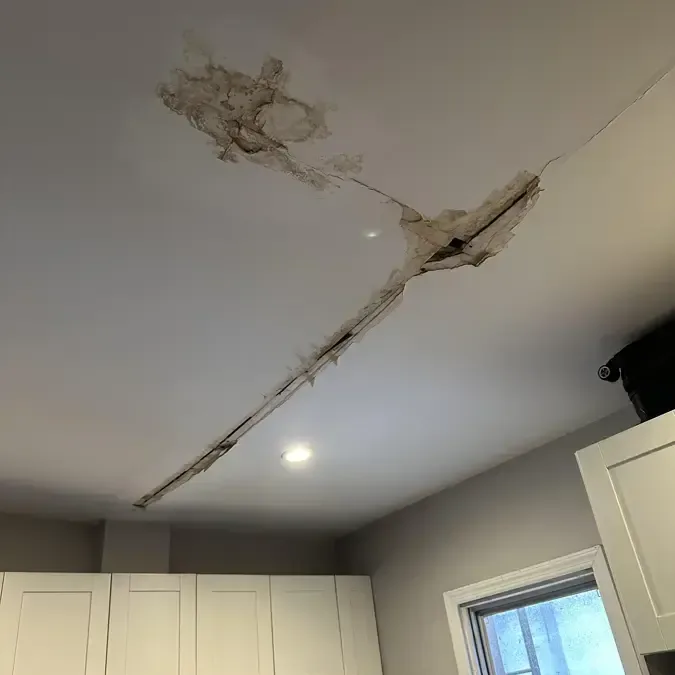 09Ceiling Leak Water DamageCeiling stains are traced to their source, then the wet cavity is opened and dried.Open
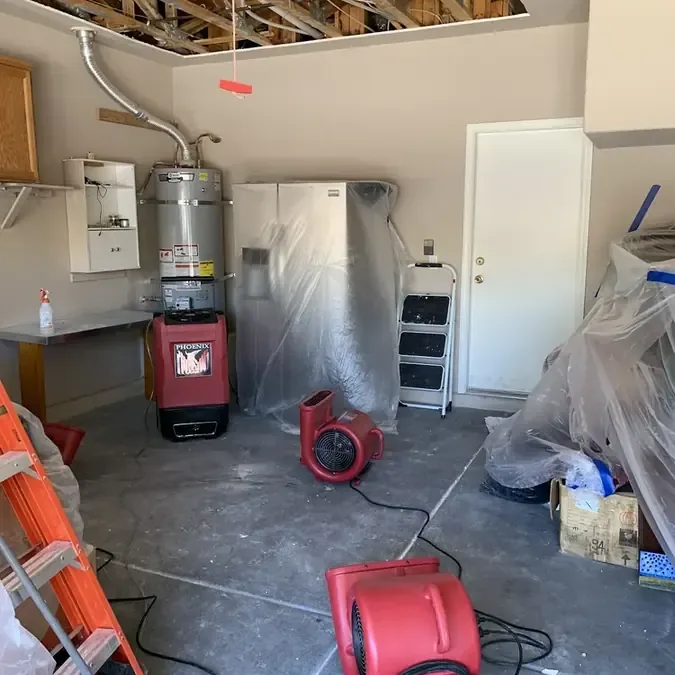 10Water Heater Leak CleanupA leaking tank's water is pulled from floors and walls, and the area is dried.Open
 11Appliance and Supply Line LeaksWasher, dishwasher and refrigerator leaks are dried under cabinets and in the unit below.Open
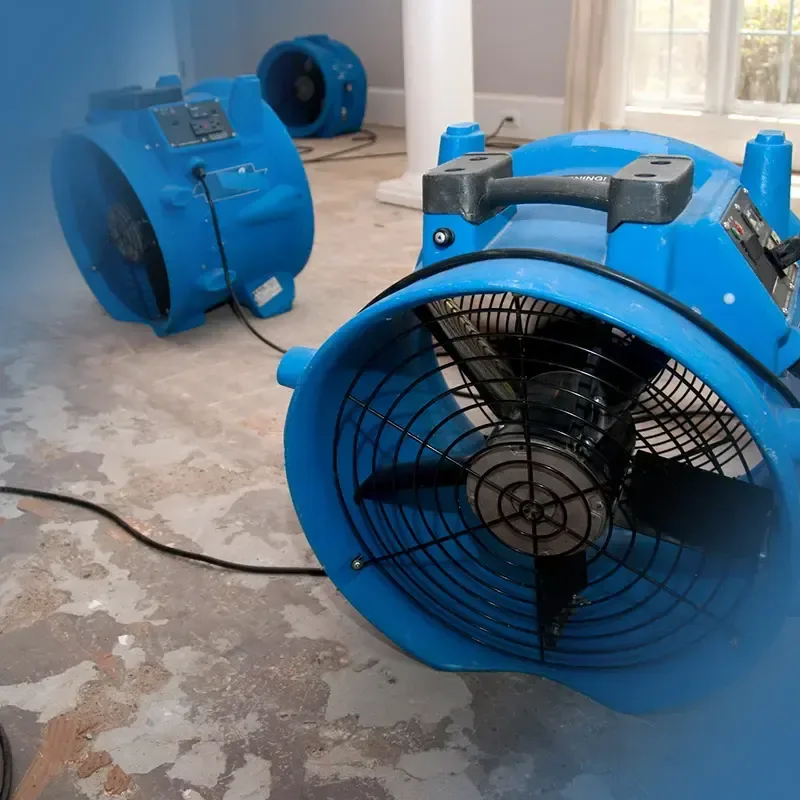 12Structural Drying and DehumidificationAir movers and dehumidifiers run until moisture readings match dry targets.Open
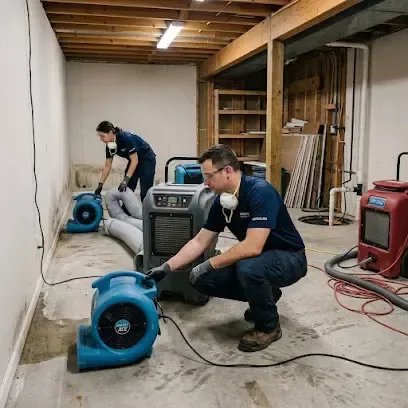 13Commercial Water DamageShops and offices are dried in phases that limit downtime and document the loss.Open
Built for dense, older city buildings
Water in a rental building rarely stays put. The crew works room by room and unit by unit, tracing where the water went before the first fan is set.
Moisture mapping
Every wet wall, floor and ceiling is metered and marked so drying targets are set from readings, not guesses.
Containment first
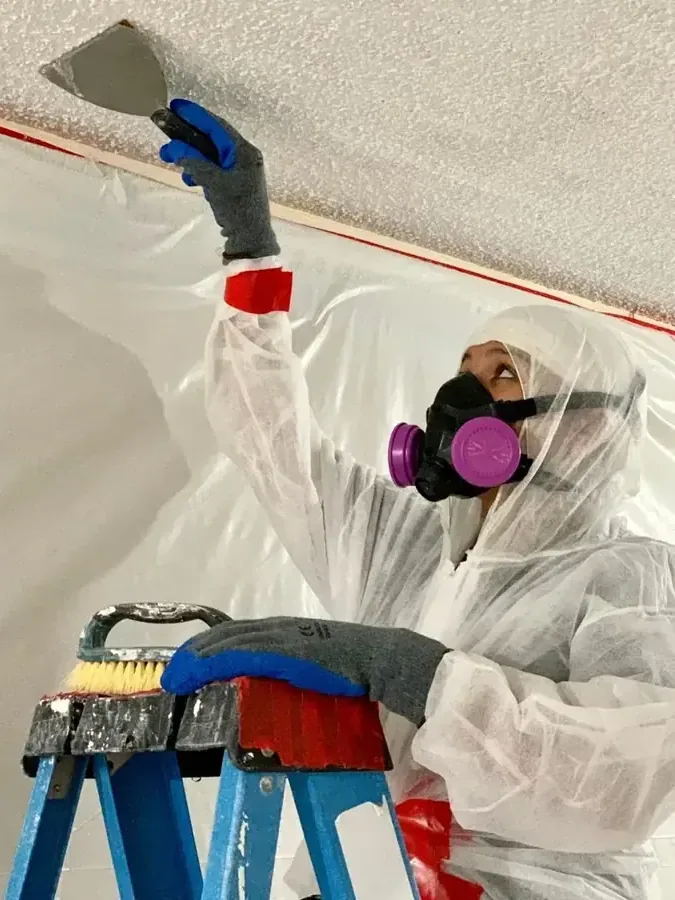
Plastic barriers and negative air keep wet or dirty areas from spreading into the rooms that stayed dry.
Plain written scope
Photos, readings and a written scope of work are kept so tenants, owners and adjusters see the same facts.
Equipment checked daily
Air movers and dehumidifiers are moved and metered each visit until the materials read dry.
Dry is proven with numbers, not touch
Drying follows the IICRC S500 approach: equipment is placed after the water is out, readings are taken each day and the job ends only when wet materials match dry reference levels.
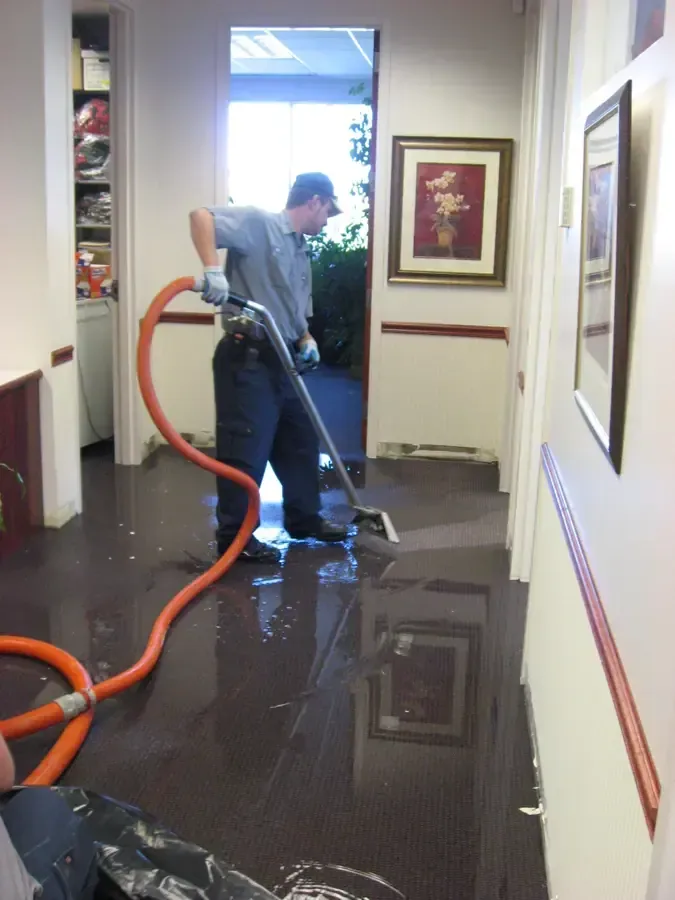
- Extract. Pumps and wands pull standing water out first, because every gallon left behind has to be dried later.
- Open up. Baseboards, wet drywall and soaked padding come out where drying in place would not work, so the cavity can breathe.
- Dry. Air movers and dehumidifiers run on a layout set from the readings, then get adjusted as the numbers change.
- Verify and document. Final readings are compared with dry reference points and written into the job record.
Equipment and methods at work
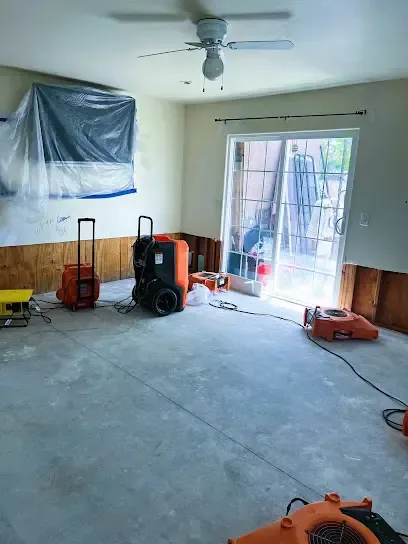
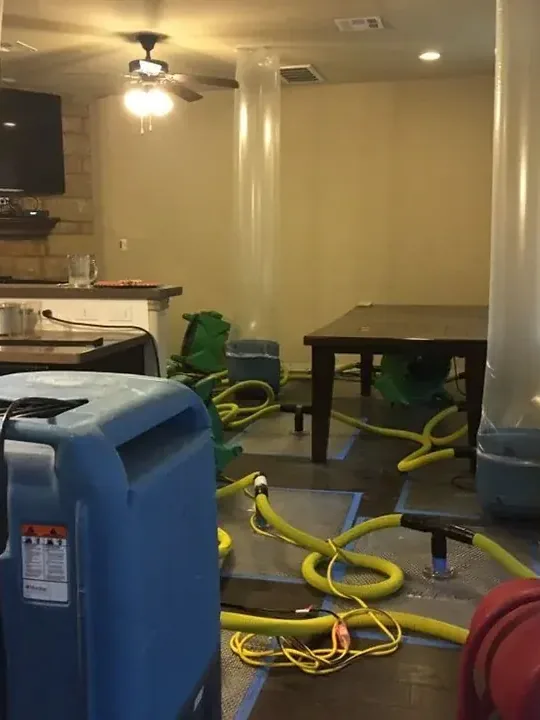
What goes on record for every job
What water damage cleanup tends to cost
Most East Orange jobs fall into one of three bands: $2,000 to $5,000 for a contained clean leak, $5,000 to $12,000 for a larger or finished area, and $12,000 to $25,000+ for deep or contaminated water.
Contained clean leak
- One room or area
- Water removal and drying
- Clean Category 1 water
Larger or finished area
- Several rooms or a basement
- Wet drywall and flooring cut out
- Gray water possible
Deep or contaminated water
- Sewage or river water
- Extended drying
- Structure and contents work
What an adjuster needs to see
Claims move faster when records are built during the job, so the crew collects them as the water comes out.
- Dated photos of every affected room
- Moisture readings mapped by room and material
- The source of the water and its category
- Daily equipment logs until the job is dry
- Final dry readings for each wet area
Steps before the adjuster visits
Shut off the water if it is safe, move valuables out of the wet area and photograph the damage before anything is thrown away.
Keep receipts for emergency work, and report the loss to the landlord or insurer right away because most households here rent.
Costs follow the readings and the scope, so a written scope with photos comes first. Insurance may pay for sudden losses, and the crew documents the damage for the claim, including commercial water damage.
What to do as soon as water appears
- Stop the source. Close the fixture valve or main shutoff, and cut power to wet areas only if it is safe.
- Call for extraction. Describe the source, the rooms involved and whether the water looks clean or dirty.
- Protect belongings. Lift furniture off wet floors, roll up rugs and move electronics and papers to a dry room.
- Photograph everything. Take wide and close photos of damaged walls, floors and belongings before cleanup begins.
- Stay out of dirty water. Sewage and floodwater carry bacteria, so keep children and pets out of the area.
Covering East Orange from Central Avenue to the Garden State Parkway
The crew covers all of East Orange, ZIP codes 07017, 07018 and 07019, including Ampere, Greenwood, Presidential Estates, Elmwood and Doddtown.
Roads and landmarks
Neighboring towns
From Brick Church to Doddtown and Elmwood
Apartment buildings, houses and shops are all served, from the Main Street businesses to the residential streets near Brick Church station.
Browse every service areaWhy water loss looks different here
East Orange is a dense city of 69,612 residents, and most households rent. NCES figures put 67.2% of structures in the school district area as built before 1970, so older buildings shape how water moves.
February 4, 2015 A water main break under the Burnett Street overpass on westbound Interstate 280 sent water shooting onto a lane, and no lanes were closed.
Dense rental buildings
With 27.4% of housing units owner occupied, a leak often starts in one unit and reaches the one below, so tracing the source comes first.
Older buildings
Many buildings are decades old, and layered floors and wall finishes can hold moisture long after the surface feels dry, so meters steer the drying.
New apartment buildings
Newer apartment buildings and commercial space have gone up in recent years, including along South Harrison Street, and a supply leak there can reach several floors.
Regional storm rain
Intense rain from Hurricane Ida in September 2021 caused flash flooding in urban New Jersey, and USGS counts Essex County among those hit hardest, a regional reminder of what heavy rain does.
Shops and offices
Central Avenue and Main Street are the main commercial avenues, so a loss in a shop or office can mean lost trading days until floors and walls are dry.
Backed up drains
A backed up drain in a building with many apartments can send dirty water into more than one unit, and that needs protective cleanup and disinfection.
Match the cleanup to the water source
Category 1 clean water
From a split supply pipe or a leaking tank. Caught early, most materials can still be dried in place.
Burst pipe cleanupCategory 2 gray water
From washers, dishwashers or a failed sump pump. Porous items often have to be removed.
Sump pump cleanupCategory 3 black water
From sewage or floodwater. Protective gear, removal of affected porous materials and disinfection are required.
Sewage backup cleanupQuestions about water cleanup
Water on the floor now?
Extraction should start before the water soaks further into walls and floors, so a quick call matters more than a long search.
(888) 471-9821 Call for pumps and fansWhat happens first after a pipe splits?
The water is shut off and the extraction crew removes what is standing. Meters then map the wet walls, floors and ceilings so drying equipment goes where it is needed.
How is an apartment building handled differently?
The crew traces the source, then checks neighboring units and ceilings below with a moisture meter. Each affected unit is dried on its own readings, and ceiling leak water damage is a common example.
Does insurance pay for water damage cleanup?
Coverage depends on the policy and the cause. Sudden losses such as a split pipe are often covered, while ongoing seepage often is not, so dated photos and readings matter.
How long does structural drying take?
Drying runs until readings match dry reference levels, which depends on the materials and the amount of water. Many jobs need several days of equipment and daily checks.
Can wet carpet and drywall be saved?
Clean water caught quickly can often be dried in place. Gray or dirty water usually means removing carpet padding and porous drywall.
Is mold a risk after a leak?
It can be. Damp materials can start growing mold within 24 to 48 hours, which is why extraction and drying begin as soon as the loss is found.
What if the water came from a sewage backup?
Sewage is Category 3 water. Affected porous materials are removed, surfaces are cleaned and disinfected, and the area is dried before rebuilding starts, as sewage backup cleanup describes.
Do shops on Central Avenue get water cleanup too?
Shops and offices are served as well. The crew works in sections where possible, protects stock and equipment and documents downtime for the claim.
Who should be told about a leak in a rented unit?
The landlord or building manager should be told right away, along with the insurer, because pipes in walls and ceilings can affect other units.
What does a moisture reading show?
Meters show how much water is held in drywall, wood and concrete, which lets the crew set equipment and confirm when drying is complete.
Water keeps moving into walls and floors until extraction starts
Call the restoration team now and describe the water, the rooms and the building type.
(888) 471-9821Send the drying crew now