Water Damage Restoration Glen Ridge, NJ
A split pipe behind plaster, a sewer drain pushing water up or a ceiling dripping from above: the restoration team in Glen Ridge extracts the water, dries the structure to the IICRC S500 standard and keeps a record for the insurance claim.
(888) 471-9821Water upstairs or down? Get the crew rolling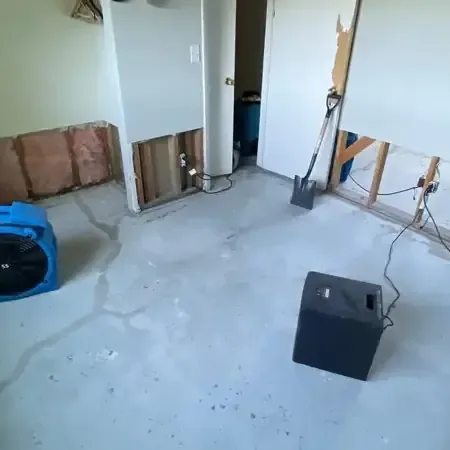 IICRC S500 drying
Services, from first pump-out to dry
Every job is water or sewage, sorted by where it came from and what it soaked. The response team plans the extraction and drying around that, not around a fixed routine.
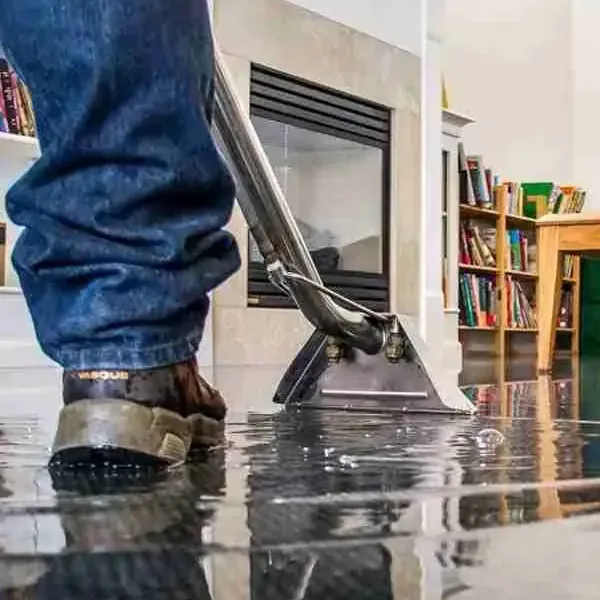 01Water Extraction and RemovalStanding water pulled from carpet, pad and hard floors by truck-mounted and portable units.Open
 02Burst Pipe Water DamageA split supply pipe shut off, then the wall opened and dried.Open
 03Frozen Pipe Water DamagePipes that froze in cold walls and corners, dried out once the thaw arrives.Open
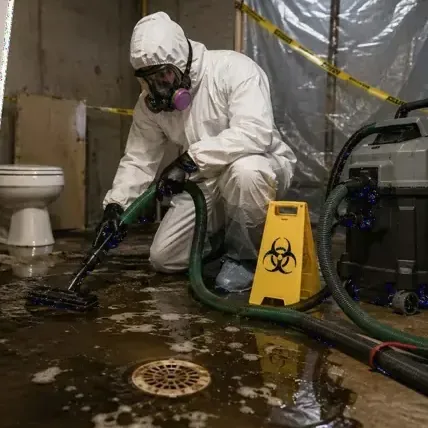 04Sewage Backup CleanupDrain and toilet backflow handled as contaminated water from the first step.Open
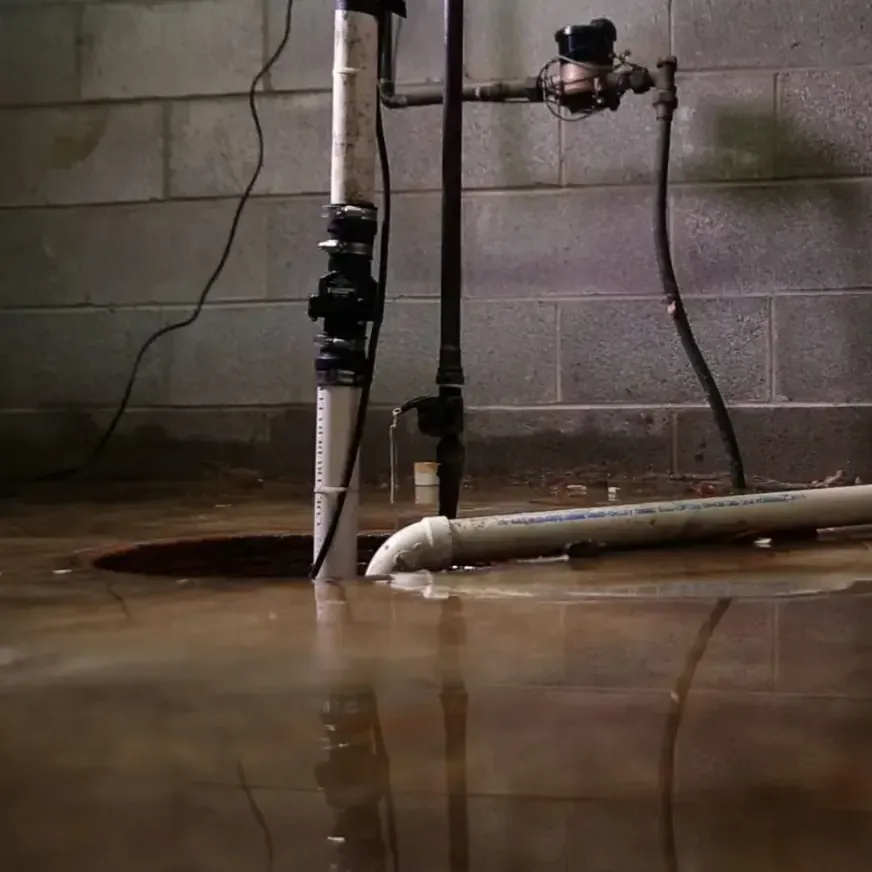 05Basement Flooding CleanupWater that seeps or pours into a lower level, pumped out and the space dried.Open
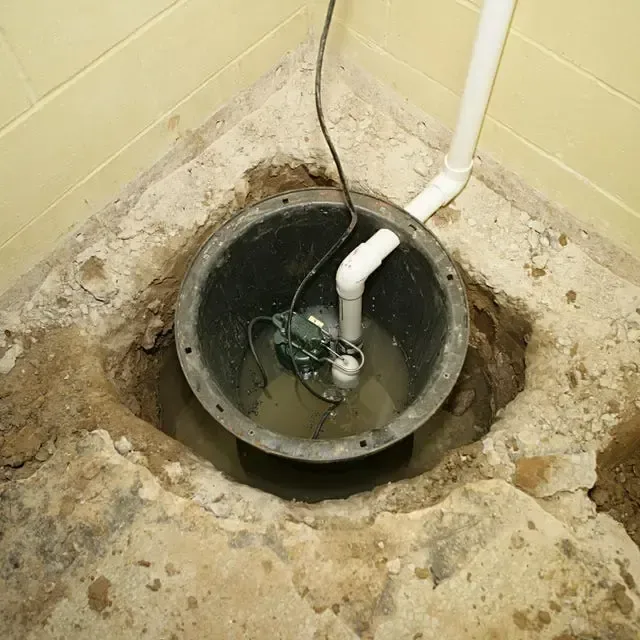 06Sump Pump Failure CleanupA pump that stalled or was overwhelmed, with the overflow extracted and the damage dried.Open
 07Storm and River Flood CleanupRain and runoff that came indoors, removed as contaminated water before drying.Open
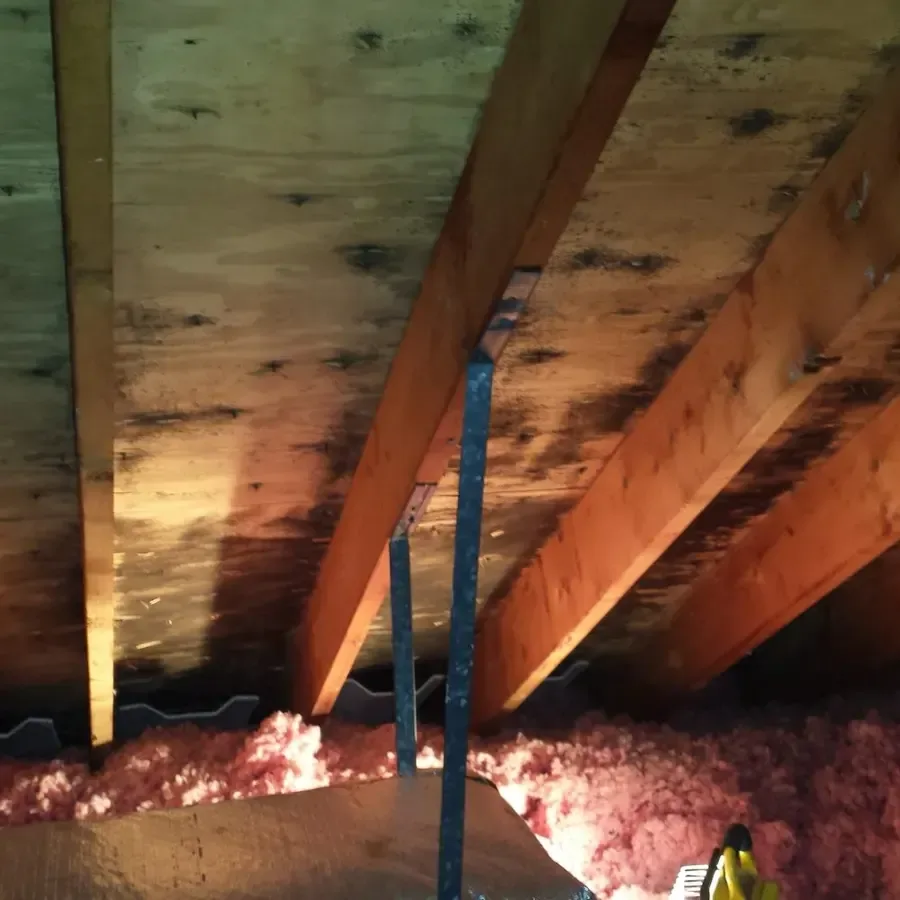 08Roof Leak Water DamageA leak at the roof traced to its entry point, with attic and ceilings dried.Open
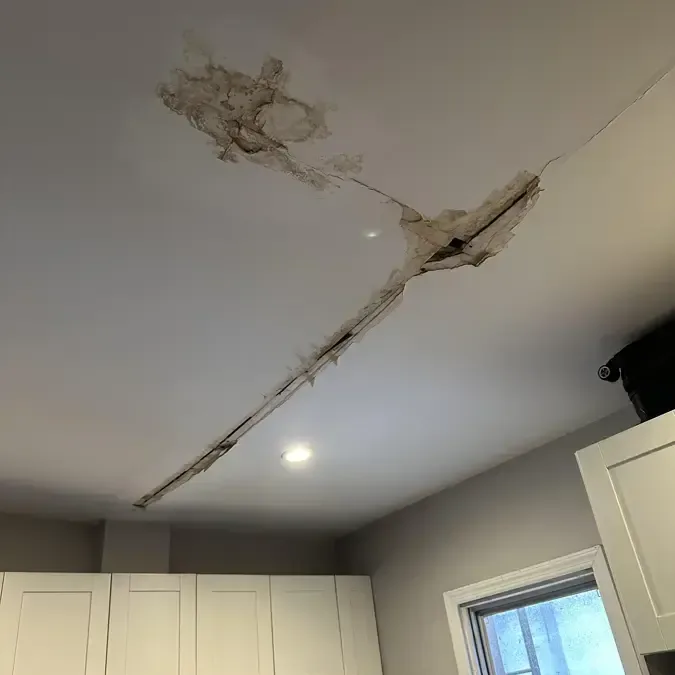 09Ceiling Leak Water DamageWater from a floor or roof above, traced and the wet ceiling cavity dried.Open
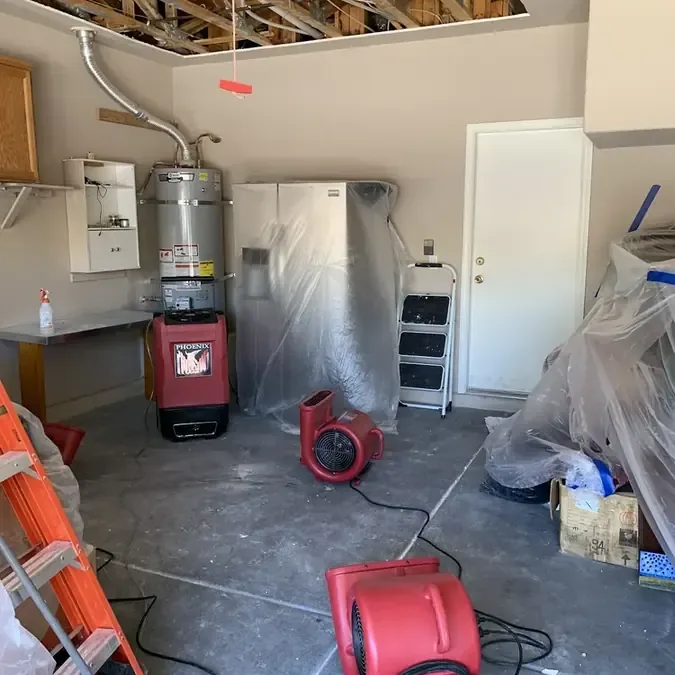 10Water Heater Leak CleanupA tank that failed or a fitting that let go, with the floor water extracted.Open
 11Appliance and Supply Line LeaksWasher hoses, dishwashers and ice maker supplies that leaked, dried before the floor swells.Open
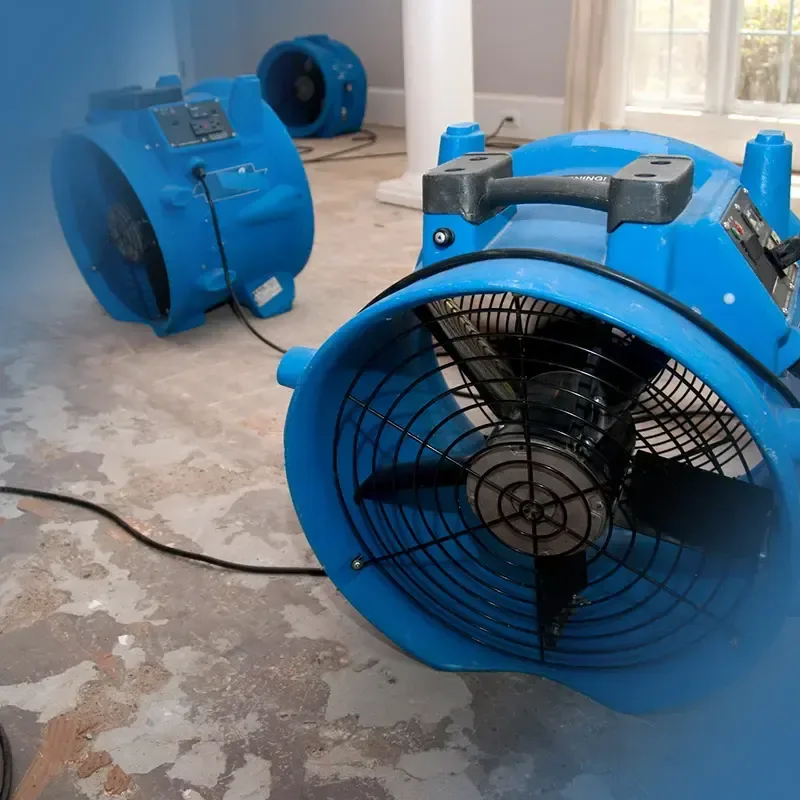 12Structural Drying and DehumidificationFraming, subfloor and finishes dried to a measured target with logged readings.Open
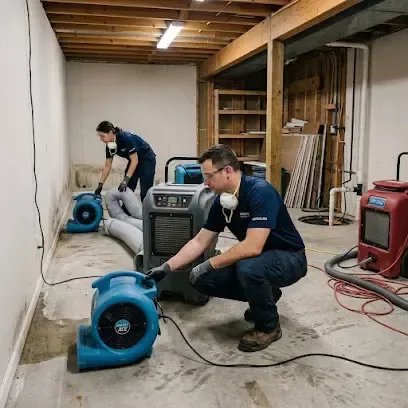 13Commercial Water DamageShops, offices and apartment buildings dried in stages so the doors stay open.Open
What a dry-out in an older house needs
About 72.8% of the borough's houses were built before 1939, and older framing and finishes hide water, so every job starts with a moisture map.
Emergencies at any hour
Active water gets a crew overnight, on weekends and on holidays, since wet drywall and trim worsen with each hour.
S500 drying plans
Air movers and dehumidifiers are sized to the class of loss and stay until readings reach the drying goal.
A file for the claim
Moisture maps, humidity logs and dated photos are made before demolition so the adjuster sees the starting point.
Old-house patience
Layered floors, thick walls and tight stairwells are everyday work in houses this age, so the crew plans for surprises.
The equipment behind a proper dry-out
Surface water is only part of the loss. The gear below pulls out what soaked into floors and walls and proves the structure is dry before it is packed up.
- Powerful extraction. Truck-mounted units lift bulk water from carpet and flooring far faster than evaporation ever could.
- LGR dehumidifiers. Low-grain refrigerant machines drop the humidity so framing, plaster and subfloor release the water they absorbed.
- Air movers. Placed by each room's evaporation load and aimed at wall bases, stair stringers and floor edges.
- Thermal imaging and meters. Trace hidden moisture behind finishes and under floors, then log daily readings against a dry reference point.
Extraction and drying in progress
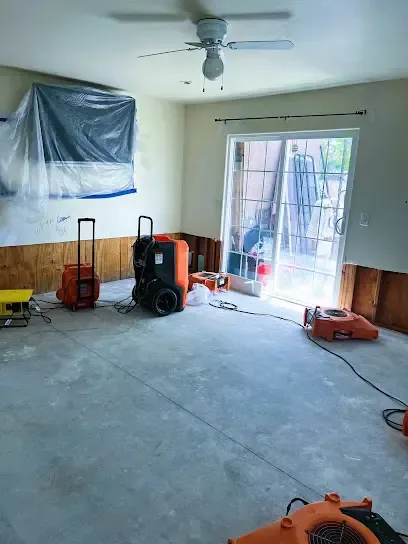
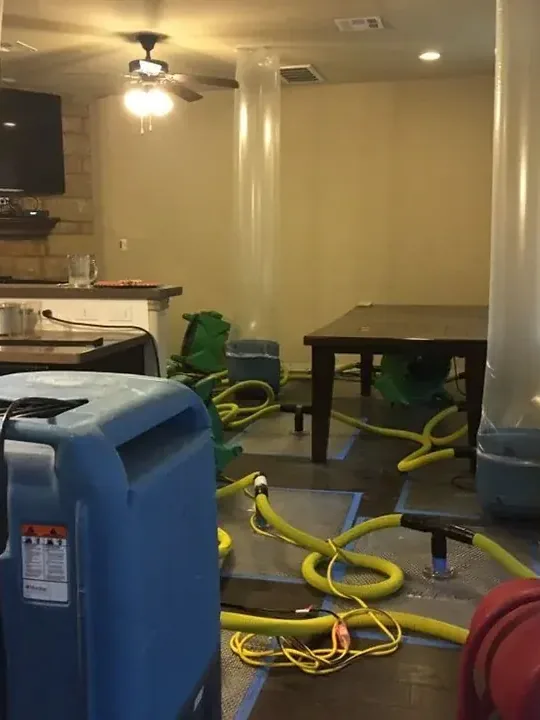
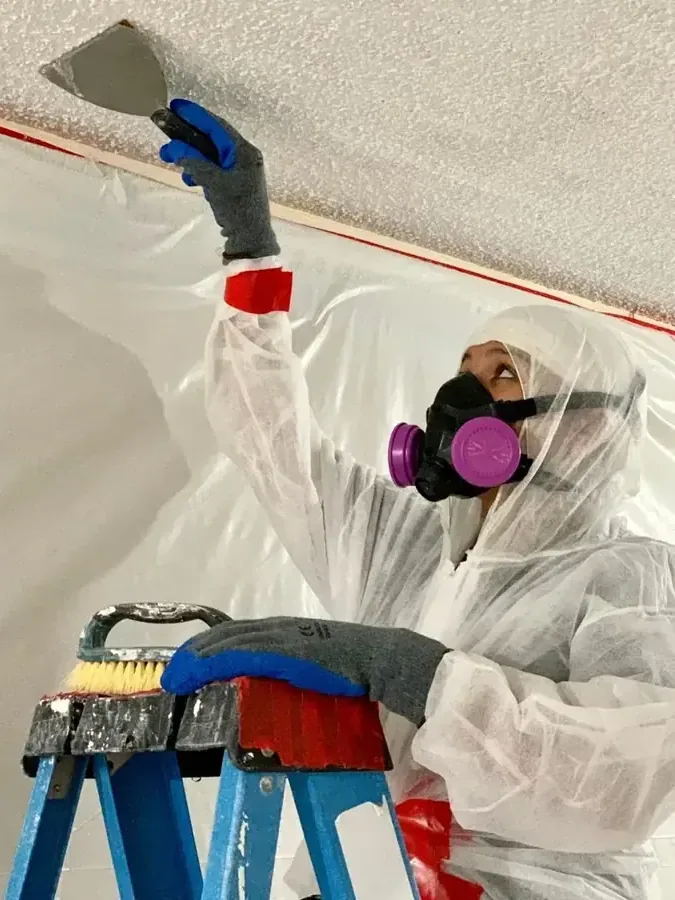
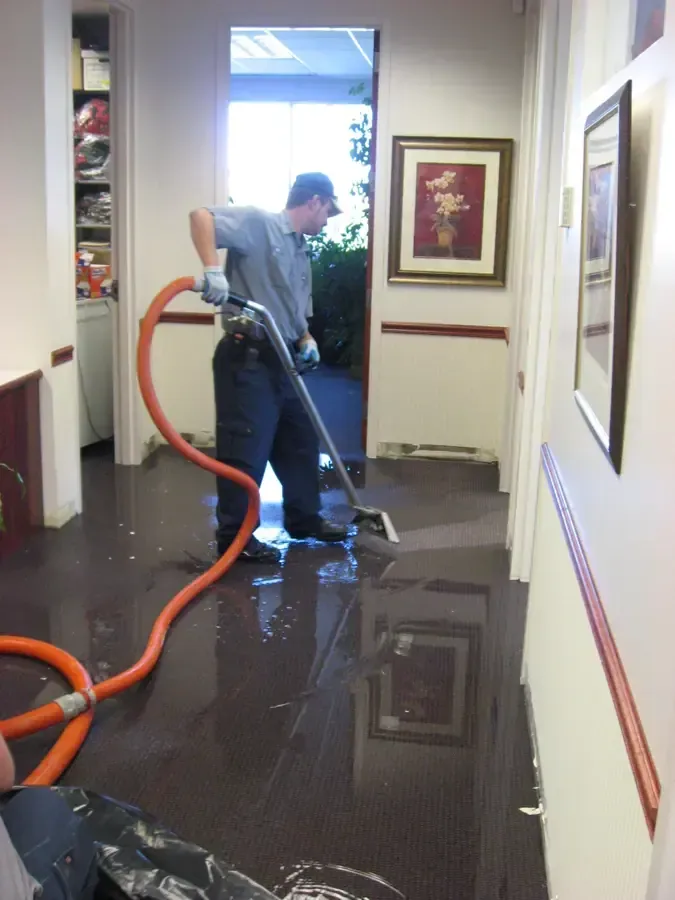
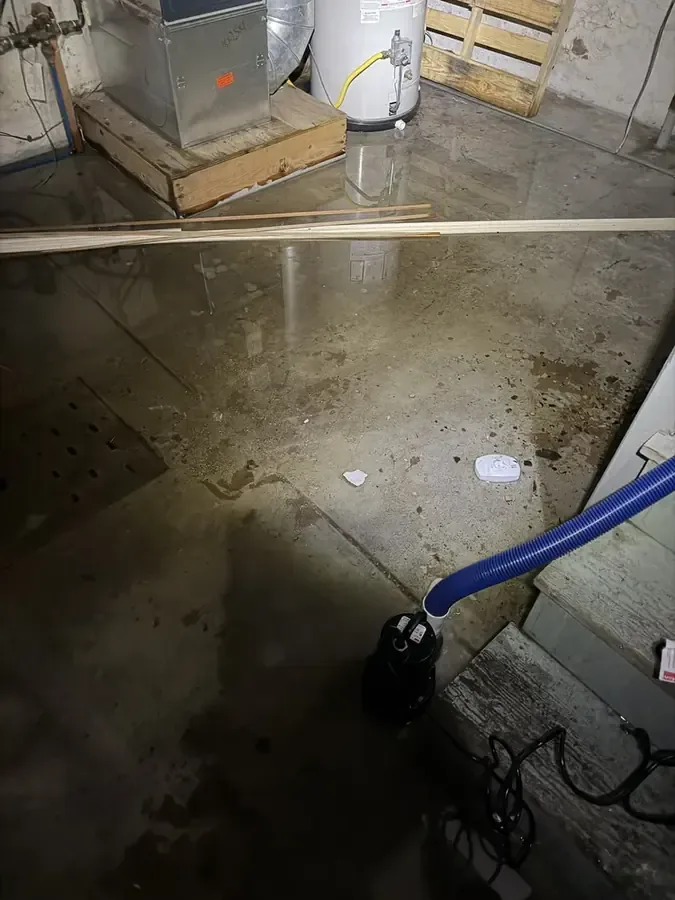
Drying measured against the IICRC S500 standard
What does water damage restoration cost in Glen Ridge?
Most losses here run from $2,000 to $25,000 or more. A small clean-water leak found fast costs the least, and sewage through a finished lower level costs the most, since porous materials have to come out instead of drying in place.
Contained clean-water loss
- One room or one area
- Extraction and drying
- Clean water source
Several finished rooms
- Wall bases and pad removed
- Dehumidifiers for several days
- Clean or gray water
Deep or contaminated water
- Porous materials removed
- Antimicrobial treatment
- Longer drying time
What goes into the claim file
Claims move on records, so the team keeps notes and photos as the job goes instead of reconstructing them afterward.
- A moisture map of each wet room and wall
- Daily temperature and humidity readings
- Dated photos taken before any demolition
- The water category and class of the loss
- An itemized scope of the mitigation work
Check your policy first
A pipe that bursts suddenly is often covered, but flood damage and sewer backup usually sit under separate coverage or an endorsement.
Read your own policy and talk to your insurer before signing anything. The record from the job supports the claim either way.
Water category, the materials involved and how soon drying starts move the figure most. Read about structural drying and sewage backup cleanup, then call for a walkthrough.
Steps to take while water is spreading
- Stop the source. Shut the main valve, or the valve at the failed fixture, if you can reach it safely.
- Keep clear of power. Stay away from outlets, the panel and appliances sitting in water, and never wade into sewage.
- Lift what you can. Raise rugs, boxes and electronics onto shelves or to a higher floor.
- Photograph the damage. Take photos and video of the water and the damage before anything is moved or discarded.
- Call early. Water climbs drywall and trim within hours, so a prompt start saves more of the wall.
From The Glen to the Panhandle and the avenues between
The response team works across the borough's one ZIP, 07028, from the narrow Panhandle to The Glen and the stretch along Bloomfield Avenue.
Areas and main streets
Nearby towns
Houses on the ridge and the apartment complexes
Single-family houses, apartment complexes and small commercial spaces all get the same extraction and drying standard.
See every street and area coveredWhat puts older Glen Ridge houses at risk
Most of the borough is detached single-family houses, and about 72.8% were built before 1939. Add steady rain and a brook running through The Glen, and water finds a path in from several directions.
September 2021 Remnants of Hurricane Ida overwhelmed flood control projects along the Second River in Essex County, according to a USGS report. Damage inside the borough itself is not confirmed.
Steady rain through the year
The borough averages about 49 inches of rain and measurable precipitation on about 124 days a year, so roofs, gutters and lower levels get tested often.
A brook through The Glen
Toney's Brook flows through the glen the borough is named for, with many roads built over it and stretches covered, canalized or culverted, so wet weather near the brook is worth watching.
Late Victorian and Edwardian houses
A planner was hired when the borough was chartered in 1895, and most of it was built out between roughly 1870 and 1940, so hidden leaks in older framing are routine work.
Snow and freeze-thaw winters
About 20 inches of snow falls each year, mostly from February into early March, the stretch when pipes in cold walls are most at risk of splitting.
Stacked units and shared walls
One apartment complex sits behind the Glen Ridge Community Pool and another is not far from it, and in any building with stacked units a leak on one floor reaches the unit below.
Historic district details
In the historic district, listed on the National Register of Historic Places in 1982, original trim and finishes are photographed and documented before anything comes out.
Clean, gray and black water: what each means
Category 1, clean water
Comes from a supply pipe, a faucet or a tank that failed. Found early, much of it dries in place.
Read about burst pipesCategory 2, gray water
Comes from a washer, a dishwasher or an overflowing pump pit. Pad is usually removed and surfaces are treated.
Read about pump failuresCategory 3, black water
Sewage and storm runoff carry contamination. Porous materials that touched it are removed, not dried.
Read about sewage cleanupGlen Ridge water damage questions
Water in the house right now?
Close the main if it is safe, stay out of sewage and call so the extraction crew can get started.
(888) 471-9821 Ask what the crew does firstIs anyone available overnight and on holidays?
Active water is treated as urgent at every hour. The response team works nights, weekends and holidays, and a call is the quickest way to get extraction and drying equipment moving.
What should I do while I wait for the crew?
Close the main valve if you can reach it safely, stay clear of outlets and wet appliances, lift valuables off the floor and photograph the damage before anything is thrown out.
Why do older houses hide water so well?
Thick walls, layered floors and aged finishes soak up water and hold it, and the framing behind them can stay wet long after the surface looks fine. A moisture map shows what is truly wet.
How long does drying usually take?
Many contained losses dry in three to five days. Thick walls and soaked finishes can take longer, and the equipment stays until the readings reach the drying goal.
Does homeowners insurance pay for a sewage backup?
Usually only when the policy carries a water backup endorsement. A burst pipe is often handled differently, so read the policy and ask your insurer early.
What does IICRC S500 mean?
It is a standard from the IICRC that professional restorers follow. It covers sorting water into categories, planning the drying, measuring progress and deciding when a structure is dry.
Does the historic district change how a dry-out works?
The dry-out itself works the same way. The team photographs original trim and finishes before anything comes out, and owners planning a rebuild can ask the borough how the Historic Preservation Commission, which oversees construction on district houses, applies.
Can wet plaster and trim be saved?
Often, when the water was clean and drying starts early. Sewage-soaked materials are removed, and anything that cannot reach a dry reading in place is cut out.
Can a leak upstairs damage the rooms below?
Yes. Water follows framing and drops through ceilings, so a bathroom or apartment leak can wet the floors and walls beneath it, and the dry-out covers every level the water reached.
Why does drying speed matter after a leak?
Mold can begin growing on wet materials within 24 to 48 hours, which is why extraction and drying start as early as possible after the water stops.
Water spreading through a Glen Ridge house? Call and the crew gets started
Waiting lets water spread. Call and the restoration team starts extraction and drying.
(888) 471-9821Roll the drying gear out now