Structural Drying and Dehumidification in Harrison, NJ
After Sandy, basement ceilings collapsed and paint peeled off basement walls in flooded Harrison homes, which shows why wet framing and drywall need prompt, thorough drying. Equipment runs until readings say dry.
(888) 471-9821Walls still damp? Call the drying team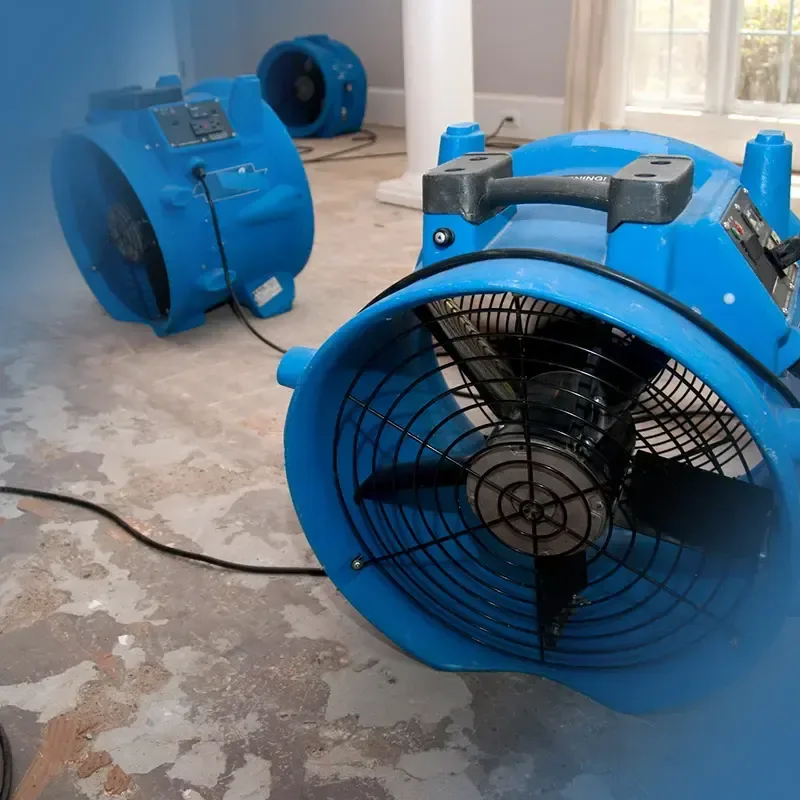 IICRC S500 drying
What every structural drying and dehumidification job includes
Dispatch at any hour
Active water is treated as urgent around the clock, weekends and holidays included.
Drying to IICRC S500
Air movers and LGR dehumidifiers sized to the class of loss, not to a guess.
A claim-ready file
Moisture maps, daily psychrometric logs and timestamped photos before any demolition.
Old-house know-how
Plaster, balloon framing, stone foundations and cast iron drains are routine work here.
What to do before the crew arrives
A few safe moves limit how far the water travels while the truck is on the way.
Call (888) 471-9821- Remove standing water. Mop or extract anything pooled so the structure is not sitting in it.
- Open cabinet doors. Open vanity and cabinet doors so air reaches the wall behind.
- Lift soft items. Take rugs and cushions off damp floors so they can dry.
- Write down readings. Note which walls feel cool or damp, and photograph them for the claim.
What does structural drying and dehumidification cost in Harrison, NJ?
Drying cost follows how many rooms are wet, what the materials are and how deep moisture sits. A single room with light materials is the low end, and heavy framing or dense floors cost the most.
One room, Class 1 or 2
- Air movers
- Dehumidifier
- Daily readings
Several rooms or basement
- Several air movers
- LGR dehumidifiers
- Framing readings
Class 4 dense materials
- Hardwood and concrete
- Extended run time
- Weekly progress check
Ranges are typical, not a quote: water category, square footage, material class and how fast drying started move the number most. Try the water damage cost calculator for a closer range.
How structural drying and dehumidification is handled, step by step
Map
A meter and camera find every wet surface.
Set
Air movers and dehumidifiers go in as a system.
Log
Readings are taken at each visit.
Release
Equipment leaves when materials read dry.
Pumping water out removes the puddle, not the moisture. Wood, plaster and block hold water inside and release it slowly, which is why a room can feel dry while the wall behind it is still wet. Structural drying measures and removes that hidden water.
What drying equipment does
Each piece of equipment has a job, and they are set up as a system and not as one fan.
- Air movers push dry air across surfaces
- Dehumidifiers pull moisture out of the air
- Meters track moisture in wood and drywall
- Thermal imaging finds wet zones behind walls
Lessons from Sandy basements
After Sandy, basement ceilings collapsed and paint peeled off basement walls in flooded Harrison homes. Both are signs of materials that stayed wet too long, which is why drying here is thorough and measured instead of quick and visual.
Water still moving? Close the shutoff if it is safe, keep clear of wet outlets, then call.
Call (888) 471-9821How the finish is decided
Readings are logged at each visit and compared to dry reference points for the same materials. If a wall still reads high, the equipment stays. If every point matches, the machines go. For standing water first, see water extraction, and for flooded cellars see basement flooding cleanup.
Official guidance
For safety steps beyond the dry-out, see EPA indoor air quality and Ready.gov flood safety.
Structural drying and dehumidification across Harrison and nearby towns
Drying equipment goes to homes across ZIP 07029, from Warren Street and First Street to Cleveland Avenue, plus apartment buildings and commercial floors in the redevelopment area.
The same service nearby: structural drying and dehumidification in Kearny, Newark, North Arlington.
Related water damage services in Harrison
Structural Drying and Dehumidification questions, answered
Still dealing with structural drying and dehumidification?
Tell the crew which rooms are damp and how long they have been wet.
(888) 471-9821 Dry the damp wallsWhy does drying take longer than the water cleanup?
Extraction removes pooled water, but wood, plaster and block release absorbed moisture slowly, and drying follows that pace until meters confirm it.
What does Class 4 drying mean?
Class 4 covers dense materials such as hardwood, plaster and concrete that hold water deep inside. They dry slowly and need specialty equipment such as low-grain dehumidifiers.
Can the equipment run while people stay home?
Usually yes, though air movers and dehumidifiers are loud and run around the clock. Some rooms may be better left empty until the readings drop.
How is a wall confirmed dry?
Moisture meters compare the wet wall to a dry reference wall of the same material. When the readings match, the equipment stops.
Can drying prevent mold?
Fast, thorough drying removes the dampness mold needs, so wet areas should be dry by about 24 to 48 hours whenever possible.
Does insurance pay for drying equipment?
Equipment and monitoring are normally part of a water loss claim when the cause is covered. Daily logs show the adjuster what ran and why.
Walls and floors still damp?
Hidden moisture keeps working in framing and plaster long after the visible water is gone. Call, and the drying team maps it, sets the equipment and measures until it is gone.
(888) 471-9821Get the drying equipment going