Basement Flooding Cleanup in Glen Ridge, NJ
When rain, a failed pump or a foundation leak sends water into a lower level, the extraction crew pumps it out and the drying team dries the walls and floor to the IICRC S500 goal.
(888) 471-9821Lower level taking water? Start the pump-out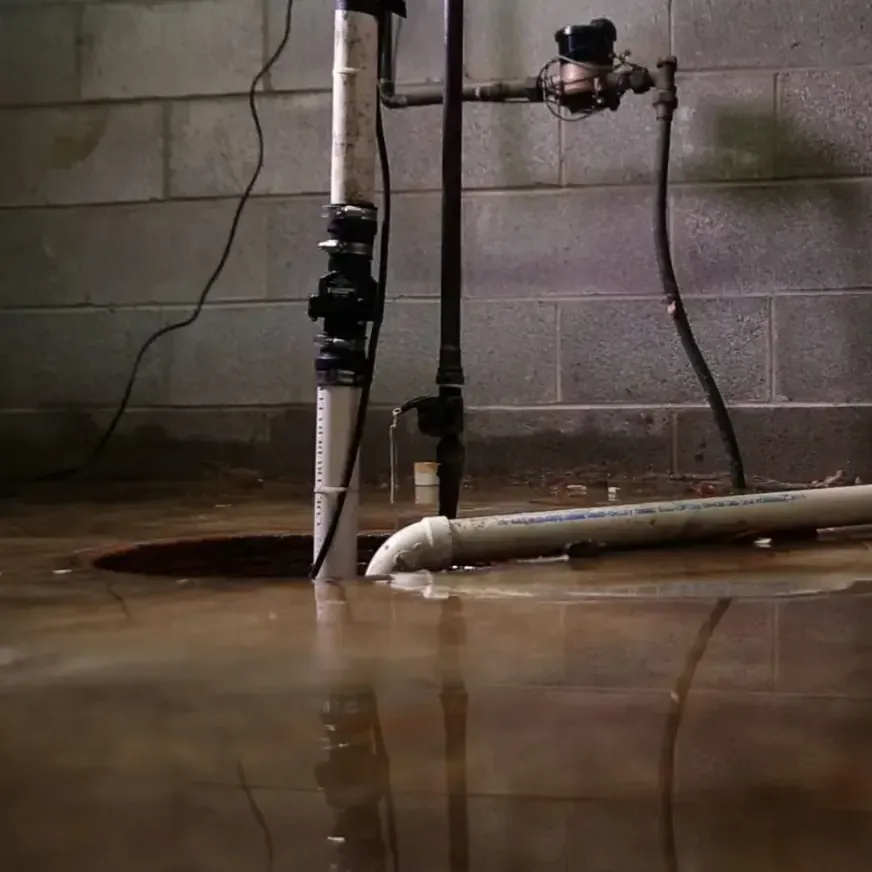 IICRC S500 drying
What every basement flooding cleanup job includes
Dispatch at any hour
Active water is treated as urgent around the clock, weekends and holidays included.
Drying to IICRC S500
Air movers and LGR dehumidifiers sized to the class of loss, not to a guess.
A claim-ready file
Moisture maps, daily psychrometric logs and timestamped photos before any demolition.
Old-house know-how
Plaster, balloon framing, stone foundations and cast iron drains are routine work here.
What to do before the crew arrives
A few safe moves limit how far the water travels while the truck is on the way.
Call (888) 471-9821- Stay out of the water. Do not wade in near outlets, the panel or appliances, and never enter sewage.
- Move valuables up. Carry boxes, electronics and rugs to dry shelves or an upper floor.
- Stop any pump leak. If a pump or pipe is the cause, shut it off at the source when safe.
- Take photos first. Record the water level and damaged items before anything is moved.
What does basement flooding cleanup cost in Glen Ridge, NJ?
Lower-level flooding typically runs $2,000 to $25,000 or more, based on the depth, the water category, whether rooms are finished and how fast the pump-out starts.
Unfinished basement
- Pump-out
- Floor drying
- Clean water
Finished basement
- Drywall cut out
- Carpet removed
- Dehumidifiers
Deep or contaminated water
- Deep water
- Materials removed
- Long drying
Ranges are typical, not a quote: water category, square footage, material class and how fast drying started move the number most. Try the water damage cost calculator for a closer range.
How basement flooding cleanup is handled, step by step
Pump
Standing water is removed with pumps and extractors.
Inspect
The source and the water category are confirmed.
Remove
Wet carpet, pad and soaked drywall come out.
Dry
Dehumidifiers and air movers run until readings fall.
Water in a lower level comes from several directions: heavy rain, a failed pump, a leaking pipe or a seep through the foundation. The extraction crew first sorts out which, because the source sets the water category and the plan. Toney's Brook runs through The Glen, and many roads have been built over it, so the crew reads each wet space on its own facts instead of assuming a cause.
Sorting out where the water came from
The source decides how the cleanup goes, so the crew checks the entry points before any equipment is set.
- Rain seeping in through walls or openings
- A failed pump or a leaking pipe
- Wall and floor cracks that weep after storms
- Backed-up drains, treated as contaminated
Pump-out first, then drying
Standing water comes out with submersible pumps and extractors before any fan runs. Wet carpet, pad and the bottoms of drywall are checked next, and unfinished walls and floors are dried with dehumidifiers and air movers that stay until the readings fall.
Water still moving? Close the shutoff if it is safe, keep clear of wet outlets, then call.
Call (888) 471-9821When contents and finishes are involved
Finished rooms and stored items add steps, from lifting contents to cutting out wet drywall. If the water came from a stalled pump, sump pump failure cleanup covers that cause, and if it came up a drain, sewage backup cleanup applies.
Official guidance
For safety steps beyond the dry-out, see National Weather Service flood safety and Ready.gov flood safety.
Basement flooding cleanup across Glen Ridge and nearby towns
Lower-level jobs cover ZIP 07028, from The Glen, where Toney's Brook flows, to the Panhandle north of Bay Avenue and the blocks off Ridgewood Avenue and Bloomfield Avenue.
The same service nearby: basement flooding cleanup in Kearny, East Orange, North Arlington.
Basement Flooding Cleanup questions, answered
Still dealing with basement flooding cleanup?
Water coming into a lower level? The extraction crew is ready.
(888) 471-9821 Drain the flooded lower floorWhy does water get into a lower level?
Rain, a failed pump, a leaking pipe or seepage through walls and floor cracks. The source decides how the cleanup is done.
Should the water be pumped out all at once?
Not always. Pumping down too quickly can stress the walls, so the crew lowers the level in stages when conditions call for it.
Can finished basement walls be saved?
Sometimes. Clean-water drywall dried quickly can stay, while wall bottoms that stayed wet or touched contaminated water are cut out.
Is basement flooding covered by insurance?
Water from a sudden pipe failure is often covered, while rain, seepage and sewer backup usually need separate coverage. Read the policy and ask your insurer.
How long does a wet basement take to dry?
Usually several days, longer when walls are thick or insulation is soaked. Dehumidifier readings decide when the machines leave.
Does the crew move stored items?
Items are lifted off wet floors and photographed so nothing sits in the water while the pump-out and drying go on.
Flooded floor? Get the dry-out going.
Water left standing soaks into drywall, trim and flooring, and the damage climbs the longer it sits. The extraction crew pumps it out and the drying team takes over.
(888) 471-9821Get the pumps to the flooded floor