Water Extraction and Removal in Glen Ridge, NJ
The extraction crew lifts standing water from floors, carpet and pad in the borough's older houses, then the drying team takes the structure down to its IICRC S500 target.
(888) 471-9821Standing water on the floor? Send the extraction crew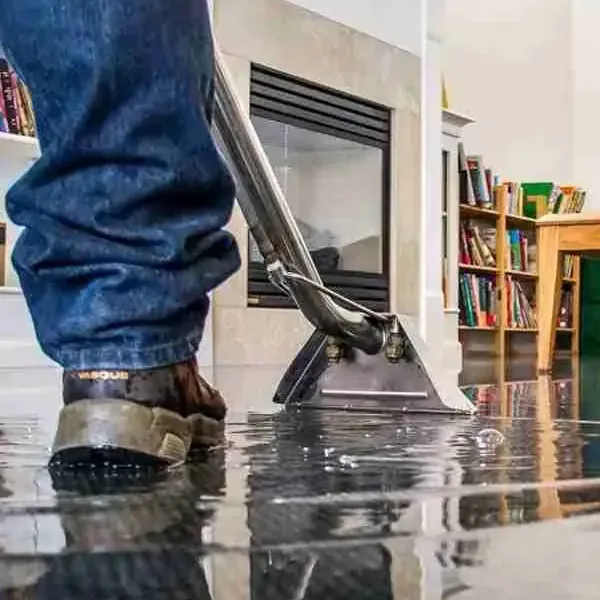 IICRC S500 drying
What every water extraction and removal job includes
Dispatch at any hour
Active water is treated as urgent around the clock, weekends and holidays included.
Drying to IICRC S500
Air movers and LGR dehumidifiers sized to the class of loss, not to a guess.
A claim-ready file
Moisture maps, daily psychrometric logs and timestamped photos before any demolition.
Old-house know-how
Plaster, balloon framing, stone foundations and cast iron drains are routine work here.
What to do before the crew arrives
A few safe moves limit how far the water travels while the truck is on the way.
Call (888) 471-9821- Shut off the supply. Close the main valve or the failed fixture's valve if it is safe to reach.
- Stay clear of power. Switch breakers off only if the panel area is dry, and avoid wet outlets.
- Raise the small stuff. Get rugs, boxes and electronics onto furniture or a higher floor.
- Leave the vacuum alone. A household wet vac cannot pull water from pad and is unsafe near outlets.
What does water extraction and removal cost in Glen Ridge, NJ?
Extraction with drying in the borough typically runs $1,000 to $12,000, set by how many rooms are wet, the water category, the floor type and how soon the pump-out begins.
One room, clean water
- Wand extraction
- Pad check
- Short drying
Several rooms or a basement
- Truck-mounted units
- Baseboards pulled
- Dehumidifiers running
Whole floor or gray water
- Pad and flooring removed
- Antimicrobial treatment
- Extended drying
Ranges are typical, not a quote: water category, square footage, material class and how fast drying started move the number most. Try the water damage cost calculator for a closer range.
How water extraction and removal is handled, step by step
Map
Meters and a thermal camera show how far the water traveled.
Extract
Truck-mounted or portable units lift the standing water.
Dry
Air movers and dehumidifiers are set for the class of loss.
Verify
Daily readings continue until the materials reach the target.
A flooded floor in an older house is rarely just a floor. The extraction crew first works out what finishes and framing sit under the water, because that decides what can be lifted, what can dry in place and how hard the pump-out can run. About 72.8% of the borough's houses were built before 1939, so that check comes before the wand touches anything.
Reading the floor before the pump-out
The team sets the water category, finds where the water traveled and checks the layers under it with a pinless meter and a thermal camera.
- Truck-mounted units for large floors and thick carpet
- Portable extractors for stairs and upper rooms
- Squeegee tools and wet vacuums on tile and hardwood
- Weighted tools that press water out of pad
Carpet, pad and hard floors
Carpet that took clean water early can often be floated and dried where it lies. Pad rarely earns the same treatment, since it holds water and costs little to replace. Boards in an older floor are checked one by one, and the ones that cup or stay wet are lifted or dried with panels.
Water still moving? Close the shutoff if it is safe, keep clear of wet outlets, then call.
Call (888) 471-9821When the pump-out is done
Once the standing water is out, the drying team sets air movers and dehumidifiers and logs readings until the framing and floor reach the target. A pump-out that uncovers a contaminated source turns into sewage backup cleanup, and the building itself is finished through structural drying.
Official guidance
For safety steps beyond the dry-out, see Ready.gov flood safety and EPA WaterSense.
Water extraction and removal across Glen Ridge and nearby towns
The extraction crew covers ZIP 07028, from the Panhandle north of Bay Avenue through The Glen and the blocks along Ridgewood Avenue and Bloomfield Avenue, also called County Route 506.
The same service nearby: water extraction and removal in Kearny, East Orange, North Arlington.
Related water damage services in Glen Ridge
Water Extraction and Removal questions, answered
Still dealing with water extraction and removal?
Standing water soaking in? The extraction crew starts at any hour.
(888) 471-9821 Get the wand on the floorHow soon should standing water come out?
As early as possible. Water wicks into drywall, trim and pad within hours, and each extra hour adds drying time and cost.
Can soaked carpet be saved?
Often, if the water was clean and extraction starts early. The pad usually goes. Carpet touched by sewage or storm water is removed.
Why not just run fans?
Fans move humid air around the house slowly. Extraction removes the bulk of the water first, so drying takes days instead of weeks.
What about a floor over joists?
Water can drop through gaps into the cavity below, so the team checks beneath the floor with meters and a thermal camera before deciding how to dry it.
Is extraction covered by insurance?
Water from a sudden leak is often covered. Flood and sewer backup usually need separate coverage, so read your own policy first.
How long do the drying machines stay?
Until readings reach the drying goal. A contained, smaller loss often dries in three to five days.
Water on the floor? Get it lifted.
Each hour that water sits, more of the pad, trim and wall base takes it in. The extraction crew lifts it out, then the drying team finishes the job.
(888) 471-9821Pull the standing water now