Structural Drying and Dehumidification in Glen Ridge, NJ
About 72.8% of the borough's houses were built before 1939, so a drying plan starts from older construction. The drying team sets dehumidifiers and air movers to each material and logs readings until it is dry.
(888) 471-9821Materials still wet? Start the drying plan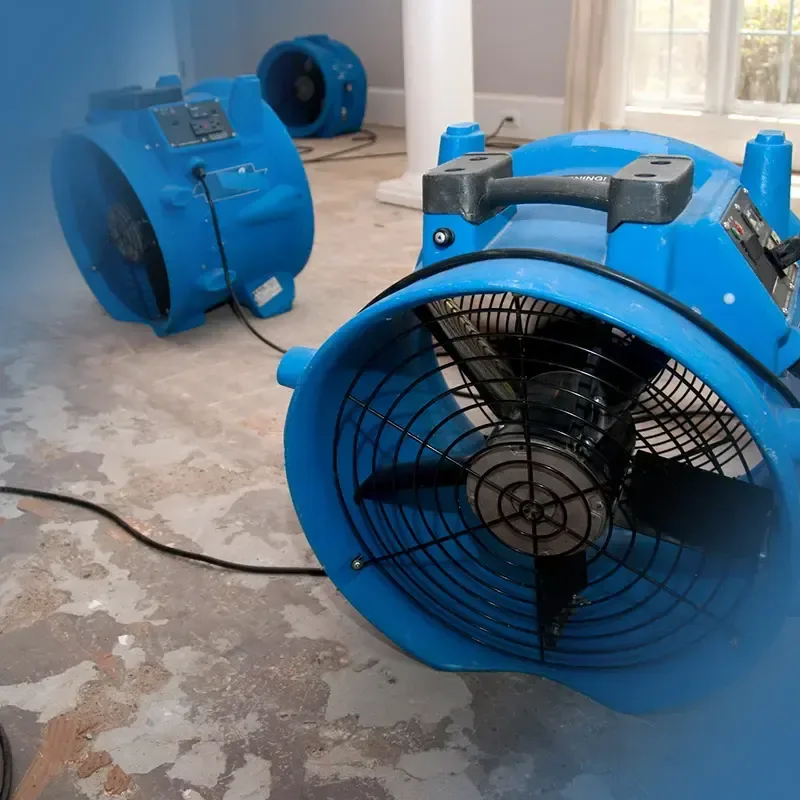 IICRC S500 drying
What every structural drying and dehumidification job includes
Dispatch at any hour
Active water is treated as urgent around the clock, weekends and holidays included.
Drying to IICRC S500
Air movers and LGR dehumidifiers sized to the class of loss, not to a guess.
A claim-ready file
Moisture maps, daily psychrometric logs and timestamped photos before any demolition.
Old-house know-how
Plaster, balloon framing, stone foundations and cast iron drains are routine work here.
What to do before the crew arrives
A few safe moves limit how far the water travels while the truck is on the way.
Call (888) 471-9821- Hold a steady temperature. A comfortable, steady temperature helps dehumidifiers work.
- Leave machines on. Dehumidifiers and air movers stay running until readings say dry.
- Close the drying room. Shut doors to the wet area so the machines work on it alone.
- Report new stains. Tell the drying team about new stains or odors as they appear.
What does structural drying and dehumidification cost in Glen Ridge, NJ?
Structural drying typically runs $1,200 to $16,000 or more, depending on the class of the loss, the number of rooms, the materials involved and how many days the equipment runs.
One room, Class 1 or 2
- Air movers placed
- LGR dehumidifier
- Daily readings
Several rooms or a basement
- Wall bases opened
- Dehumidifiers running
- Moisture logs
Class 4 materials
- Specialty drying
- Long run time
- Material checks
Ranges are typical, not a quote: water category, square footage, material class and how fast drying started move the number most. Try the water damage cost calculator for a closer range.
How structural drying and dehumidification is handled, step by step
Classify
The loss class and water category are set.
Equip
Dehumidifiers and air movers are placed.
Monitor
Readings are logged each day.
Release
Equipment goes when the targets are met.
Once the standing water is out, the building still holds moisture in framing, subfloor and finishes, and that is what structural drying removes. Most of the borough was built out between roughly 1870 and 1940, so the plan starts from older construction and reads each material on its own terms.
How a drying plan is set
The drying team classifies the loss, sizes the equipment to the wet area and sets targets from dry reference readings.
- Dehumidifiers sized to the air volume and the loss
- Air movers aimed at wall bases and floor edges
- Thermal imaging to find water that meters miss
- Daily readings recorded against dry references
Why dense materials take longer
Thick framing, layered floors and heavy trim release water slowly, so drying takes more days than the surface suggests. Class 4 materials, such as hardwood or thick masonry, may need specialty drying systems.
Water still moving? Close the shutoff if it is safe, keep clear of wet outlets, then call.
Call (888) 471-9821Drying as part of a bigger job
Structural drying follows extraction and goes with most water jobs, whether the cause was water extraction and removal from a leak or a basement flooding cleanup. The equipment stays until every reading matches the dry reference.
Official guidance
For safety steps beyond the dry-out, see EPA indoor air quality and Ready.gov flood safety.
Structural drying and dehumidification across Glen Ridge and nearby towns
Drying work covers ZIP 07028 from the Panhandle's narrow blocks to The Glen and the streets off Bay Avenue, Ridgewood Avenue and Bloomfield Avenue, with County Route 509 as the other main road.
The same service nearby: structural drying and dehumidification in Kearny, East Orange, North Arlington.
Related water damage services in Glen Ridge
Structural Drying and Dehumidification questions, answered
Still dealing with structural drying and dehumidification?
Walls and floors still damp? The drying team is ready any hour.
(888) 471-9821 Place the air movers and dryersWhat is the difference between extraction and drying?
Extraction removes the bulk water. Drying removes the moisture still held in framing, subfloor and finishes, which takes machines and days.
Why are dehumidifiers needed?
Air movers push moisture into the air, and dehumidifiers remove it. Without them the moisture settles back into the building.
How do you know when a building is dry?
Readings from materials are compared with a dry reference from an unaffected area of the same building, and the equipment stays until they match.
Why does the equipment run for days?
Dense materials release water slowly, so the readings fall a little each day. Stopping early leaves moisture inside walls.
Can drying prevent mold?
Drying is the best prevention. Mold can start on wet materials within 24 to 48 hours, so a steady dry-down matters.
Is structural drying covered by insurance?
Drying after a sudden covered loss is usually part of the claim. Read your policy and talk to your insurer.
Need the building dry? Begin now.
Moisture left inside framing keeps causing damage after the standing water is gone. The drying team sizes the equipment and stays until the readings match.
(888) 471-9821Send in dehumidifiers and air movers