Basement Flooding Cleanup in Newark, NJ
During Hurricane Sandy, rain and the Passaic River flooded the East Ward as high tide approached, and the lowest level of a building is always the first place that water reaches.
(888) 471-9821Pump out a flooded lower level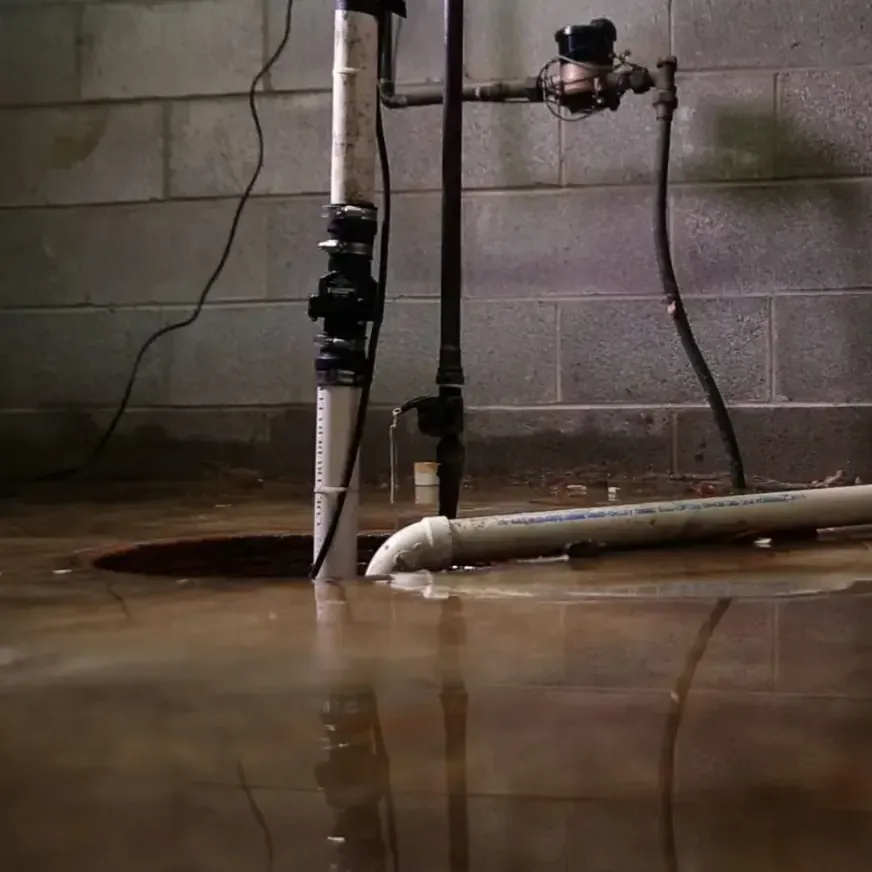 IICRC S500 drying
What every basement flooding cleanup job includes
Dispatch at any hour
Active water is treated as urgent around the clock, weekends and holidays included.
Drying to IICRC S500
Air movers and LGR dehumidifiers sized to the class of loss, not to a guess.
A claim-ready file
Moisture maps, daily psychrometric logs and timestamped photos before any demolition.
Old-house know-how
Plaster, balloon framing, stone foundations and cast iron drains are routine work here.
What to do before the crew arrives
A few safe moves limit how far the water travels while the truck is on the way.
Call (888) 471-9821- Stay out of the water. Standing water can hide electrical hazards and may be contaminated.
- Cut power to wet areas. Only if the panel is dry and reachable; otherwise leave it to an electrician.
- Move valuables up. Carry documents and electronics to higher floors.
- Photograph the water. Capture depth marks, damaged items and the source if visible.
What does basement flooding cleanup cost in Newark, NJ?
Cleanup usually runs from $2,000 to $25,000+, depending on how deep the water got, how long it stayed and whether storm, river or sewer water was involved.
Unfinished basement
- Water pumped out
- Floor cleaned
- Walls dried
Finished basement
- Drywall removed
- Flooring replaced later
- Dehumidifiers running
Deep or contaminated water
- Contamination controls
- Heavy debris removal
- Extended drying
Ranges are typical, not a quote: water category, square footage, material class and how fast drying started move the number most. Try the water damage cost calculator for a closer range.
How basement flooding cleanup is handled, step by step
Assess safely
Depth, power and water type are checked first.
Pump in stages
Water drops gradually to protect walls.
Clear and clean
Mud and soaked materials are removed.
Dry it out
Equipment runs until meters read normal.
Where a building has a lower level, that level takes the water first. The city is essentially a large basin sloping toward the Passaic River, and storm water, river water and sewer overflow can mix, so a flooded lower level is treated as possibly contaminated until the source is known.
What the pump out involves
Submersible and truck mounted pumps lower the water in stages, which keeps walls and floors from taking on stress all at once.
- Water level checked before the pumps start
- Debris, mud and soaked belongings carried out
- Any sump pit or floor drain flushed once the water is gone
- Walls and floors dried with air movers and dehumidifiers
Why lower levels are at risk
The land sits near sea level at the eastern end of the city and rises to about 230 feet in the western section, so water naturally runs downhill toward the river and the low streets near it. That slope is why the lowest floors of buildings flood first.
Water still moving? Close the shutoff if it is safe, keep clear of wet outlets, then call.
Call (888) 471-9821After the water is out
Once the pumps stop, the work turns to drying. Wet drywall, trim and carpet padding are removed where they cannot be dried, and structural drying continues until meters read normal. If a failed pump let the water in, sump pump failure cleanup covers that cause, and sewage involvement moves the job to sewage backup cleanup.
Official guidance
For safety steps beyond the dry-out, see National Weather Service flood safety and Ready.gov flood safety.
Basement flooding cleanup across Newark and nearby towns
Flooded lower levels are handled across Newark's ZIP codes, including 07102, 07106 and 07114, with crews working from the Ironbound and Raymond Boulevard to Clinton Hill and Broadway.
The same service nearby: basement flooding cleanup in Kearny, Harrison, East Orange.
Basement Flooding Cleanup questions, answered
Still dealing with basement flooding cleanup?
Tell the crew how deep the water is and where it came from.
(888) 471-9821 Call about floodingWhy do lower levels flood first?
Water runs downhill and settles in the lowest space it can reach, which is why the lowest floor of a building takes it before anything above.
Is flood water in a lower level contaminated?
It may be. Storm, river and sewer water can mix, so the crew treats it as contaminated until the source is clear.
How fast does the water need to go out?
Pumping should begin as soon as it is safe. The longer materials stay wet, the more removal is needed and the sooner mold can start.
What gets thrown away after a flood?
Porous items soaked with flood water, such as carpet, padding, insulation and cardboard, are usually discarded. Hard surfaces can be cleaned and dried.
Can a sump pump stop the flooding?
Only while it keeps running. A power outage or a failed pump lets the water rise again.
Does flood damage affect upper floors?
It can. Moisture climbs into wall cavities and humidity rises through the building, so rooms above are checked with meters too.
Lower level flooded and rising?
Pumps, extraction wands and drying equipment are loaded for flooded buildings across the Ironbound, the wards and downtown, with contamination precautions included for storm and sewer water.
(888) 471-9821Call for flood pump out