Water Extraction and Removal in Newark, NJ
Newark sits in a basin that slopes toward the Passaic River, so standing water is pumped off floors and out of low spaces first, before it soaks into walls, carpet and subfloors.
(888) 471-9821Get pumps to the water now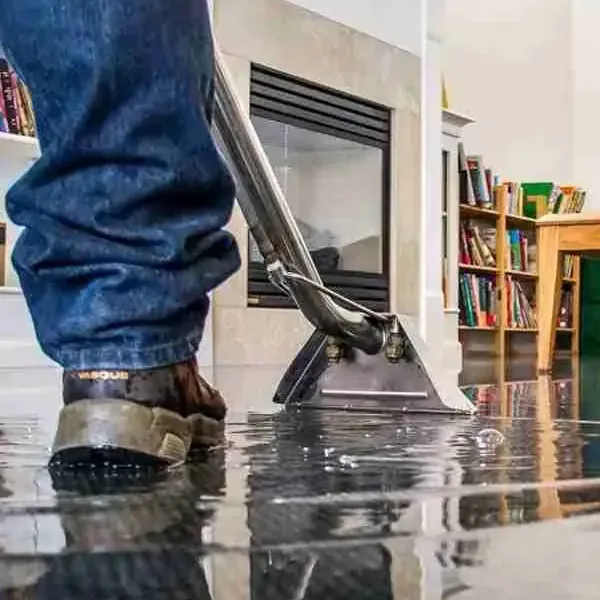 IICRC S500 drying
What every water extraction and removal job includes
Dispatch at any hour
Active water is treated as urgent around the clock, weekends and holidays included.
Drying to IICRC S500
Air movers and LGR dehumidifiers sized to the class of loss, not to a guess.
A claim-ready file
Moisture maps, daily psychrometric logs and timestamped photos before any demolition.
Old-house know-how
Plaster, balloon framing, stone foundations and cast iron drains are routine work here.
What to do before the crew arrives
A few safe moves limit how far the water travels while the truck is on the way.
Call (888) 471-9821- Stop the source. Close the water shutoff for a leak, but stay out if water touches outlets or the panel.
- Lift belongings. Raise small furniture, rugs and boxes onto dry surfaces so they stop wicking water upward.
- Photograph first. Take dated photos of the water level and damaged items before anything is moved or discarded.
- Avoid dirty water. Stay out of water that may carry sewage, and keep children and pets away.
What does water extraction and removal cost in Newark, NJ?
Extraction on its own usually runs from $1,000 to $12,000+, set by how deep the water is, how many rooms it reached and whether it is clean water, gray water or sewage.
One room, clean water
- Pumps and extractors
- Carpet lifted
- Floor dried
Several rooms or a basement
- Deeper pumping
- Padding removed
- Meters checked daily
Whole floor or gray water
- Gray water precautions
- Wall bases opened
- Longer drying stay
Ranges are typical, not a quote: water category, square footage, material class and how fast drying started move the number most. Try the water damage cost calculator for a closer range.
How water extraction and removal is handled, step by step
Survey the water
Meters mark the wet area and water type.
Pump it out
Truck mounted and portable pumps clear standing water.
Extract the rest
Wands pull water from carpet, tile and corners.
Hand off to drying
Air movers and dehumidifiers take over.
Standing water is the first problem on most flood and leak jobs, and Newark is a city where it collects fast. The land is essentially a basin sloping toward the Passaic River, so rain and river water settle into low floors before the drains can carry them off.
How extraction works on site
The extraction crew sets pumps and wands on the lowest point first, then works toward the walls so water does not pool behind furniture.
- Truck mounted pumps clear deep standing water from large areas
- Portable extractors lift water out of carpet and padding
- Wand tools pull water from tile, vinyl and hardwood surfaces
- Moisture meters locate pockets that still hold water after pumping
Why timing matters
During Hurricane Sandy on October 29, 2012, at least five feet of water stood on parts of the Ironbound, a reminder of how deep it can get on low ground. Water that deep reaches outlets and wall cavities, and the longer it sits, the more drying work follows.
Water still moving? Close the shutoff if it is safe, keep clear of wet outlets, then call.
Call (888) 471-9821What happens after pumping
Pumping only removes the water that can be reached. Wet drywall, padding and framing still hold moisture, so the crew switches to structural drying once the floors are clear, using air movers and dehumidifiers until meter readings come back to normal. When the water is contaminated, sewage backup cleanup applies instead.
Official guidance
For safety steps beyond the dry-out, see Ready.gov flood safety and EPA WaterSense.
Water extraction and removal across Newark and nearby towns
Extraction crews cover Newark's ZIP codes, including 07102, 07105 and 07107, plus the streets along Raymond Boulevard, Springfield Avenue and Broadway and neighborhoods from the Ironbound to University Heights.
The same service nearby: water extraction and removal in Kearny, Harrison, East Orange.
Water Extraction and Removal questions, answered
Still dealing with water extraction and removal?
Describe the water and the rooms it reached, and the right pumps get loaded.
(888) 471-9821 Newark standing water helpHow is water extraction different from drying?
Extraction removes the liquid water with pumps and wands. Drying then pulls the moisture left in materials out with air movers and dehumidifiers.
Can carpet be saved after a flood?
Carpet that sat in clean water can often be extracted and dried, while carpet touched by sewage or river water is normally removed and replaced.
Does the water type change the price?
Yes. Clean water is the simplest, gray water needs more care and sewage requires containment and disposal, which is why the top price ranges apply.
What happens if water sat for several days?
Materials soak up more of it, the cleanup grows and mold can start. Extraction still comes first, followed by longer drying and more removal.
Do apartment buildings need special handling?
Water in one unit can reach neighboring walls and ceilings, so the crew checks them before the job ends.
Can extraction start while it is still raining?
Yes. Once water is inside, pumping can begin, although water coming in from outside may need to stop rising first.
Standing water in the building?
Pumps, extractors and drying equipment are ready for homes, apartment buildings and commercial floors across the Ironbound, downtown and every ward, any hour of the day or night.
(888) 471-9821Call for pumps and extractors